
This article is more than 6 months old
Crossing continents: CF researchers in Chile and Newcastle take us inside the lab
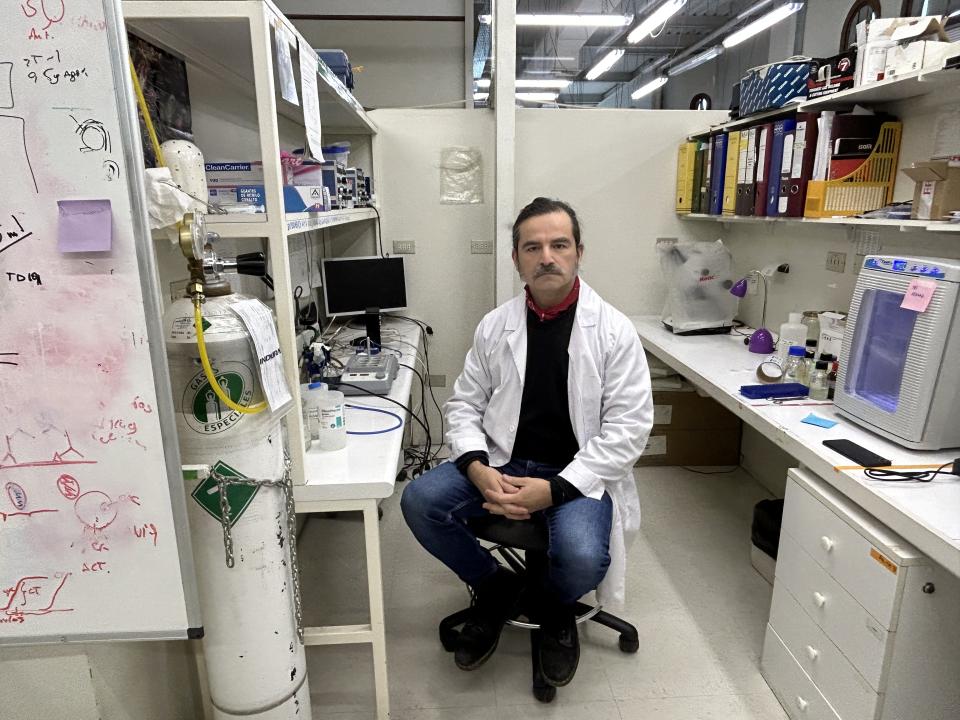 From Newcastle to Valdivia is over 7,000 miles. How did the collaboration begin?
Mike: Carlos had connections to the UK from his PhD supervisor who worked in Cambridge before returning home to Chile. We first met at a research conference in Newcastle in 2009 and have been working together ever since!
Our labs are both interested in how chemicals are transported in lung cells. We use different methods to study this, so if one of our labs finds out something new, then researchers in the other lab can check the results – and hopefully confirm that the results are real. Trust-funded early career researchers in Newcastle have played an important part in this collaboration over the years.
Carlos: Recently, I found a link between a chemical called succinate and the CFTR protein in the lungs of mice. I contacted Mike in Newcastle, and they got the same result in lab studies of human lung cells. Linking succinate to CF was a new discovery, and we’re delighted to be awarded this research funding to find out more about it!
Can you tell us more about what succinate does and why it’s important in CF?
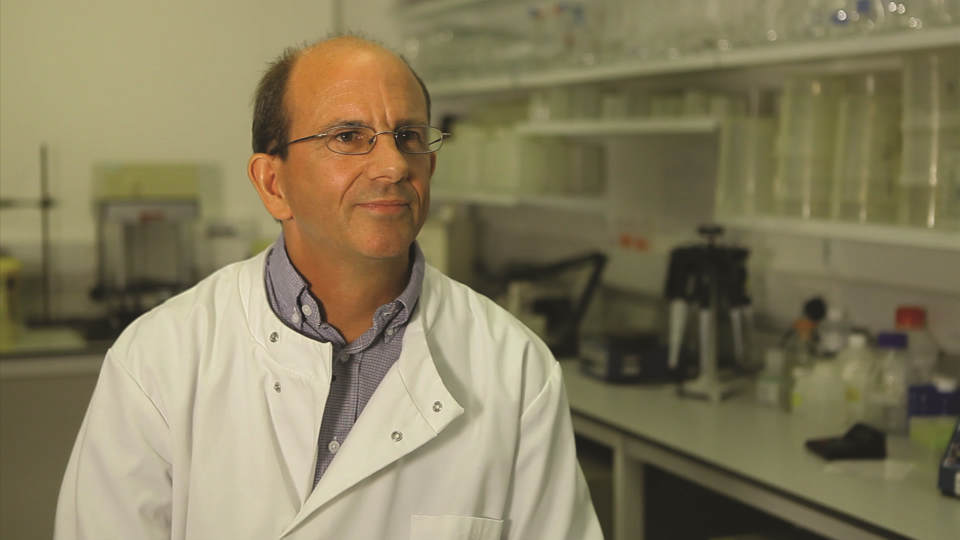 Mike and Carlos: We have discovered that when succinate is added to airway cells in the lab it switches on CFTR. In turn, this leads to an increase in hydration and mucus clearance in the lungs, defending them from infection. This doesn’t happen in lung cells from people with CF, but the response is restored with CFTR modulators. Succinate has different functions in lung cells. As well as preventing infections, it can also trigger lung damage called fibrosis in other lung conditions. There seems to be a tipping point where the actions of succinate shift from being protective to harmful. In this Trust-funded research project we’ll be investigating succinate in more detail.
How could this research make a difference for people with CF?
Mike and Carlos: We hope that our studies will give us a better understanding of what causes long term infections, inflammation and lung damage in people with CF. Our results will tell us whether existing medicines that alter the function of succinate could be beneficial for people with CF in the future.
Our research isn't possible without amazing supporters like you.
Please consider making a donation today to help power ground-breaking research, drive campaigns to improve standards of care, and support people with CF and their loved ones every step of the way.

Our research goals
Through our research goals we will accelerate progress towards a future where everyone with CF can live a life unlimited.