
Inside the lab with Dr Amy Downes and Dr Idan Bokobza, who work in the MATRIARCH_CF Strategic Research Centre
Can you tell us what your research is all about?
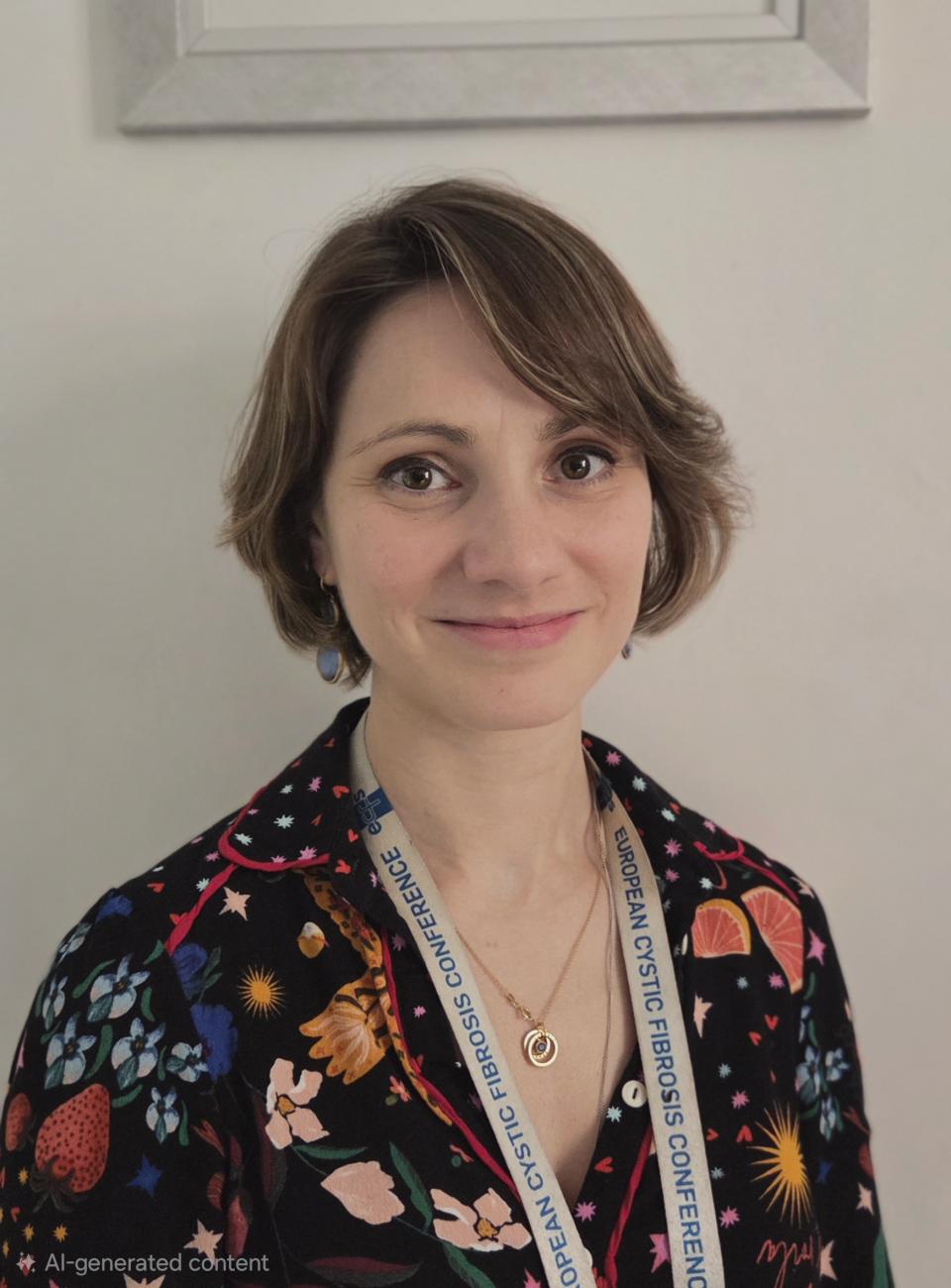 Amy: The MATRIARCH_CF SRC has lots of different parts to it. I’m working on a study to enrol women with CF who receive their care from the Royal Brompton Hospital who are either thinking about getting pregnant, or who are already pregnant. We follow them through their pregnancy and then for two years afterwards, monitoring their physical and mental health.
Idan: In my area of research, we are looking at modulator medicines and how they might impact children who are exposed to them during pregnancy. There is limited research in this area, but it’s important to create better quality evidence and information so that women with CF can make informed and more confident decisions at a time of their life which can already carry a lot of uncertainty.
We want to create international recommendations on how to follow up children exposed to modulators during pregnancy and ensure they are safe in the long-term. To obtain this data, we are running a study recruiting children who have been exposed to modulators in pregnancy and those who haven’t so that we can compare the outcomes of the two, while following them from birth to 6 years old.
What difference could this research make to people with CF?
Amy: People with CF who've grown up pre-modulators may have believed that pregnancy wasn't going to be an option for them, and there's still a lot of uncertainty around this topic. They have questions like: Can I do this? Should I do this? And I think trying to help answer some of those questions is really important. The more evidence-based information we have, the more reassurance we can give to people, which will help them feel supported and confident in their choices.
But also from a healthcare perspective, not every obstetrician has seen somebody with CF and so we often get asked lots of questions around how best to look after them. I think it’s so important we have that knowledge and evidence in place to help them support and care for women with CF and their newborn children.
In the changing CF landscape, why do you feel this is such an important research topic?
Amy: Increasingly, managing a person’s CF care is about giving them as normal a life as possible. So if they do want to have children, we want to make that experience as safe – and normal, whatever that might mean for them – as we can.
Idan: I think trying to improve pregnancy research is really important. So much of the evidence at the moment is just anecdotal based on small studies and we're trying to improve that as much as possible.
Do you have a message for our supporters who help make this research possible?
Idan: It would be impossible to do this level of research without the support of Cystic Fibrosis Trust and the incredible people who help fund this work through fundraising. Research is one of the main ways to improve the quality of care for people with cystic fibrosis, so we’re really grateful that we can continue to make a difference for everyone with CF.
What does a typical day at work look like for you?
 Idan: With any sort of research, you spend a lot of time behind the scenes making sure you're doing everything to a high quality and you're not changing things afterwards. Aside from that, there's also the admin side; so things like contacting trial participants and arranging rooms – everything that is really important for a trial to run smoothly.
There are also trial visits, which is when I see the children and families and do things like the physical examinations, measuring height and weight, bloods tests and assessing their development.
And then I guess the final part is disseminating the work. This means spending time going to conferences like the European Cystic Fibrosis Conference (ECFS), presenting to other hospitals, and also just general meetings with people within my team to create new ideas together and discuss progress.
Amy: We work very closely together, so there’s lots of similarities. At the Brompton we also run a CF reproductive maternal health clinic once a month, and I run a general CF clinic once a week. That involves seeing women who have and haven't enrolled in the study.
The other part of my day is working on abstracts for conferences, and also working with local obstetric units who may not be as familiar with CF.
Finally, how do you both like to relax at the end of a busy day?
Idan: I do quite a lot of research work in my own time as well, because it’s something I’m passionate about. But what I really find important is being active, so I enjoy running, football, and I’ve started playing padel.
Amy: I have two young children, so there’s not much time for relaxing. But I do love spending time with them and taking them swimming and to other classes. Every so often I manage to do a bit of baking too!
Find out more about MATRIARCH-CF
If you have cystic fibrosis, or have a partner with CF, and are thinking about having children, it’s completely normal to be grappling with lots of different questions about pregnancy. You can find lots more information in our Starting a Family booklet.
Some people may decide they don’t want children, for others it isn’t an option as they aren’t able to. Cystic fibrosis can be a contributing factor in people deciding not to have children, however others may just not wish to be a parent.
Being told that you can’t have the family you wanted, for whatever reason, can be devastating. Your CF team may be able to provide emotional support or direct you to other sources of support. You can also contact our Helpline on 0300 373 1000 or at [email protected].
We also recognise that for those who can't benefit from modulators, the journey to becoming a parent might not be straightforward. Please get in touch with our Helpline with any questions.

Our Helpline
Our Helpline is available to anyone looking for information or support with any aspect of cystic fibrosis, a listening ear, or just to talk things through.