This article is more than 3 years old
Shining a light on those who can’t benefit from CFTR modulators
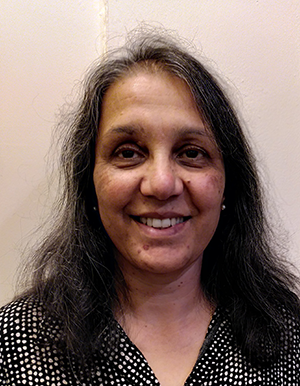 We have about 300 patients in the paediatric clinic at Birmingham Children’s Hospital and we look after children from all over the West Midlands, from Wolverhampton to Warwickshire. We have a very diverse population; there can be a misconception that CF only affects people from a Caucasian background, but this is not the case, and in Birmingham 10% of our patients are from an ethnic minority background.
One of the most exciting developments in treatment for CF in the past few years has been the availability of CFTR modulators. However, in Birmingham I got the impression that a significant number of people would not be eligible for medications like Kaftrio were from an ethnic minority background. This led us to conduct a study into the differences between people with CF who are eligible for modulators and those who are not.
To gather the evidence, myself and colleagues in Birmingham put in a data request to the CF Registry, and sure enough there was a difference in terms of the ethnic make-up of those who are eligible for modulators compared to those who aren’t. It’s not that all people who are Black, Asian or from an ethnic minority background will not be able to benefit, but working with colleagues at Cystic Fibrosis Trust, we did find that a higher proportion of those who are not eligible will be from that background, compared to those who are Caucasian. So, with the roll out of these modulators, we’ve now discovered a clear link between different genetic and ethnic make-up, and access to these drugs.
We can’t yet draw hard and fast conclusions from this study, but we can highlight that there is a difference, and then it’s up to us to look at what those differences are and whether those are differences that we can do something about.
It’s easy to think that these new drugs can allow us to relax as most people with CF are now stable, but for that 10% who can’t access the new drugs, there still needs to be a focus on doing what we can to maintain their health, and their clinical teams need to be aware of that.
Dr Maya Desai
The outcomes in our patients were improving even before we had modulators. It’s really important to continue to do those things that are not related to modulator therapies but are still related to improved health outcomes for the people who can’t benefit, things like regular exercise, physiotherapy and the treatments your clinical team recommend. Something else that needs to be addressed is all the other determinants that can impact CF, such as employment, finances and living conditions, which research shows can adversely affect people from ethnic minority backgrounds.
Before the pandemic, I joined the Trust’s clinical working group to look at some of the disparities in experience and engagement in people with CF from different ethnicities. Although this important work unfortunately had to be paused during the pandemic, we’re working together to restart it in the coming months. We want to deepen our understanding of the needs and experiences of people affected by CF from diverse background - please get in touch if you’d like to share your thoughts.
In my 20 years in the role, I’ve had the privilege of seeing amazing advancements in CF treatment and care. Incredible progress has been made, but we can’t stop there. More work needs to be done to make sure everyone with CF can access lifechanging medications and treatments to one day live a life free from the limits of CF.
You can read more about this research here, and find out how the Trust is working hard to make sure everyone with CF can access the treatments they need here.
Cystic fibrosis (CF) is a genetic condition which causes sticky mucus to build up in the lungs and digestive system. It affects more than 10,800 people in the UK. One in 25 of us carries the faulty gene that causes it, usually without knowing.
Your donations help us fund vital research. Donate today to help everyone with CF live a life unlimited.

Our newsletter
Get the latest on what the Trust and our supporters are doing straight to your inbox.