
This article is more than 1 year old
“So much about my life and the world I am part of, but was always somewhat bewildered by, just makes more sense”: Emma’s autism diagnosis
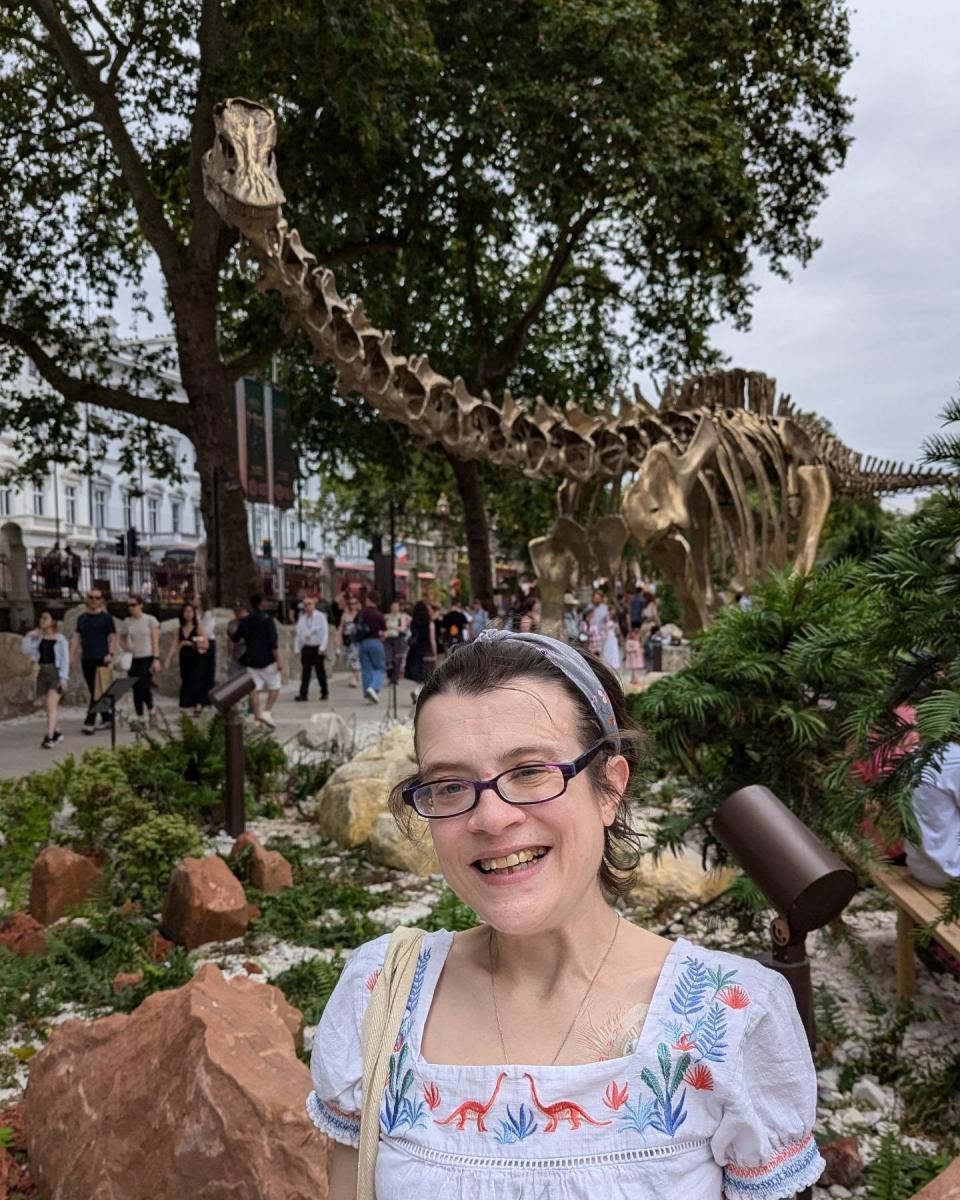 The suggestion that I might be autistic seemed to come out of nowhere, at least to me. Less so to health professionals, and my family and friends. I am a woman in my 40s, social and outgoing (at least when CF allows me) – although I am obsessed with trains and dinosaurs.
As well as CF, I am also living with and trying to recover from an eating disorder. I knew there was an increasing amount of evidence that shows that around a fifth of women being treated for anorexia are autistic. But that wasn’t me. I didn’t want it to be me. It was already challenging enough to try and manage anorexia and my CF, two conditions that have such a powerful impact on each other (they do not play well).
So along with the surprise was anger. I didn’t want another diagnosis, another label. I didn’t want what I and others thought of as me, my personality and identity, to be down to brain chemistry. And the idea that maybe the last seven years of recovery, of being hospitalised and sectioned, may have looked different and achieved so much more if this conversation had happened earlier. That CF admissions would have been less distressing, and I wouldn’t have butted heads with the CF team quite often.
I went into research mode and read everything I could. And made a spreadsheet.
I also had lots of long chats with my mum, who initially felt guilty for not realising my brain might not work in a typical way. Except she did, but she wouldn’t have recognised that as autism – she just accepted it as part of her quirky, intense, literal and rather bossy daughter. To her, all the signs that might have been picked up on if I had been a boy in the 1980s and 90s were just part of me being Emma. Besides, she had nothing to feel guilty about; she had enough on her plate trying to ensure I could thrive into adulthood.
How this diagnosis has helped me make more sense of myself
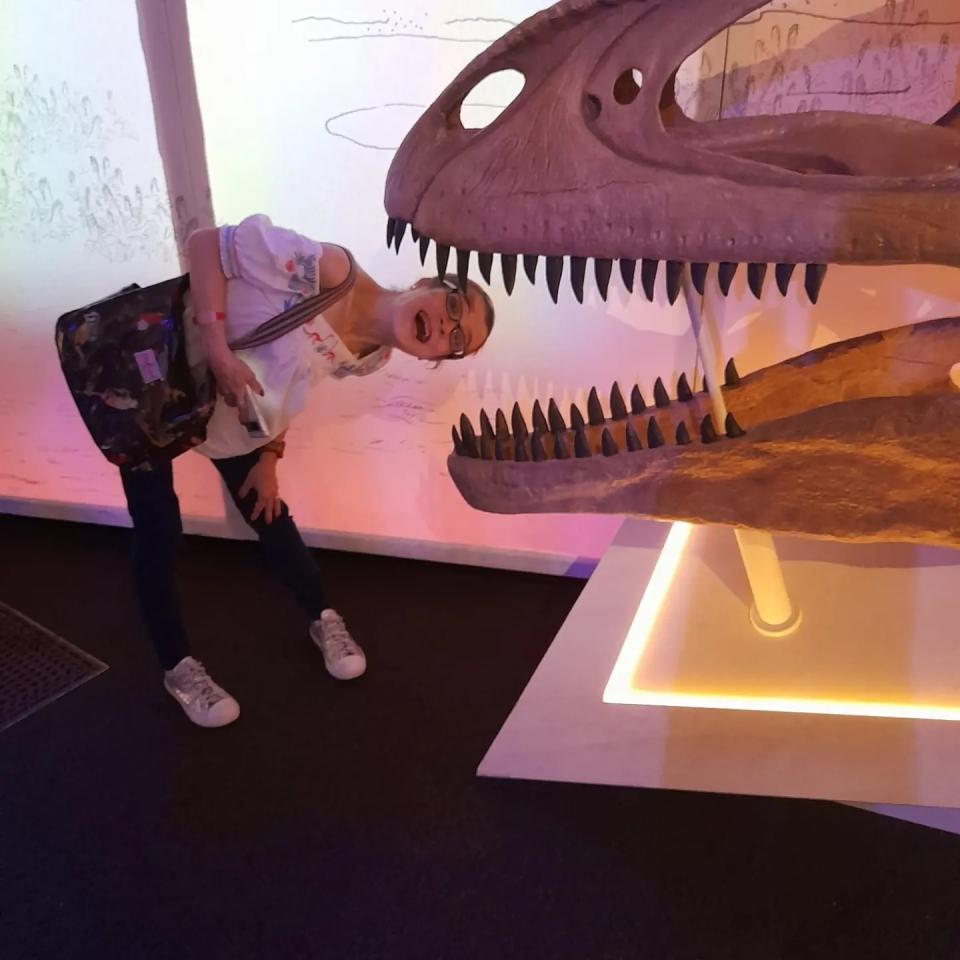 So, looking back, there were so many clues that just hadn’t been connected and examined thoroughly enough. This investigation still has a long way to go, but I’m less angry than I was, because so much about my life and the world I am part of, but was always somewhat bewildered by, just makes more sense. Silly stuff like why no one else take song lyrics so literally (How exactly do you go about “taking the weather with you”?), why I am the worst person to watch a TV show or film with, or why other people don’t worry about where people’s laps go when they aren’t sitting down.
And important stuff too, that my interests aren’t silly, even if people don’t want to hear about them in the level of detail I want them to (deepest apologies to my long-suffering husband here). My love of facts and information makes me a demon at pub quizzes. I've been able to examine how being autistic impacts my work, make some adjustments and use some of the many positive traits of being neurodivergent too. I now know where my strong sense of unfairness and justice comes from, why it’s been a strong theme throughout my career. I’ve realised my hatred for strong smells isn’t just because they might make me cough.
How my CF team have learned to work with my autism
And as I learn more about how my particular brain works, so do everyone else. I’m pretty certain that the CF team and ward stuff had me jotted down as one of their “difficult patients”. Particularly during a hospital admission when it feels like I change into a completely different Emma. I think we had all put some of that down to the idea that, sometimes, I was stuck in the depths of my eating disorder and was slowly losing my mind. But on reflection, autism also had a role to play and perhaps exacerbated some of my other behaviours. Although I’m not sure I can blame being “neurospicy” on the time I threw a bowl of hot custard at one of my consultants in an absolute rage. I am lovely in real life, I promise! 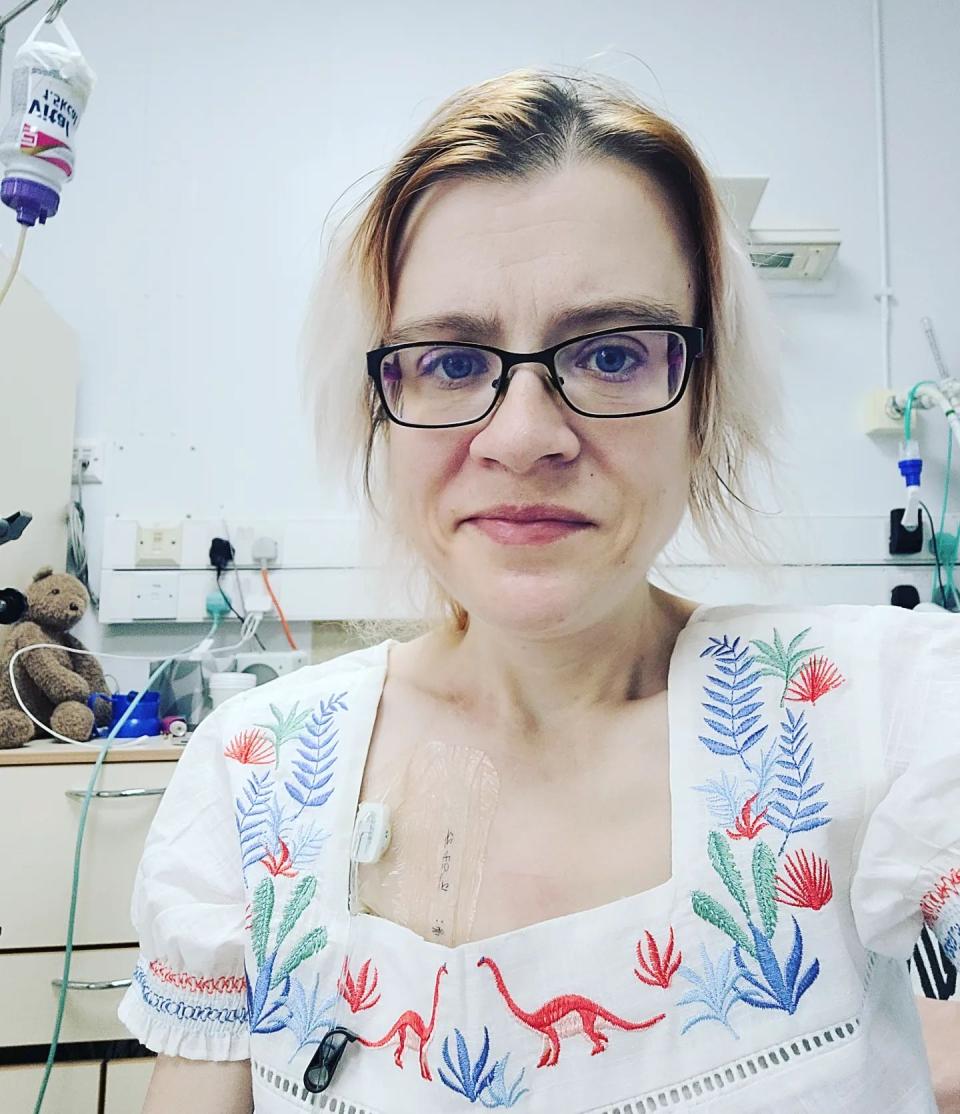
It turns out my particular brand of autism really doesn’t like hospital strip lighting and now the hospital staff know not to take it personally if I get upset if they switch it on without asking, or to think I am sitting in the dark feeling sorry for myself. My brain’s just not keen on all the humming of electricity and noise, but I’m trying to accept that there is only going to be so much I can do to manage it. Everyone is now realising that I do not cope at all with the lack of control and routine – especially as hospitals have their own form of routine that doesn’t match mine at all. I will get in a strop and stamp my feet and then feel super embarrassed about it and spend the rest of the day apologising.
The team have also learnt that when it comes to ward round or individual reviews or even just a simple yes/no question, I will default to saying what I think is the most normal answer and what I think the person asking a question most wants to hear. I find the ward round extremely overstimulating, and the team now ask how many people or who I would like to be in the room. They give me more time to think about the things they’ve asked or are planning to do, such as informing me in advance when they would like me to carry out some spirometry, rather than simply coming and doing it there and then, while I have a meltdown and cry about performance anxiety. They encourage me to write down any questions in advance, or if, after they’ve left, I realise I haven’t told them what I actually want to say, and the ward nurses are now used to running little notes to the doctor’s office.
Some people tell you that having autism is a superpower. I’m not convinced. I can’t see much of a role for a slightly wheezy woman who can tell people what year their favourite film came out even if she hasn’t seen it. Even if she came with her own cape. I’ll agree I might have a very specific set of skills, like the main character of the Taken franchise, but I also have a very specific set of issues that make life in a world designed for the neurotypical a bit harder.
Take a look at our information on neurodiversity and how it may shape the way people experience living or caring for someone with CF.
Our Helpline
Our Helpline is also available to anyone looking for information or support, a listening ear, or just to talk things through. You can call the team on 0300 373 1000 or 020 3795 2184, or email [email protected], or contact us on WhatsApp. We’re open Monday–Friday, 10am–4pm.
Our online community
Our online community is a safe space to chat with others in the CF community who know what you’re going through. In the online community, there is a dedicated space for people affected by CF and neurodivergence to support each other and share experiences.
Other support
The National Autistic Society (NAS) also provides support through their advice and guidance page, their general enquiries Supporter Relations team and their Parent to Parent Emotional Support Helpline.
Support for eating disorders
Beat, the eating disorders charity, provides support for anyone struggling with an eating disorder through the Beat Helpline and their information and support pages, and signposting to eating disorder support services.

Here to help
Our friendly Helpline team are here if you need us – whether you're looking for information, support or just someone to talk to.