This article is more than 2 years old
“We are so resilient and I am proud of that”: Emily's story
Growing up with CF
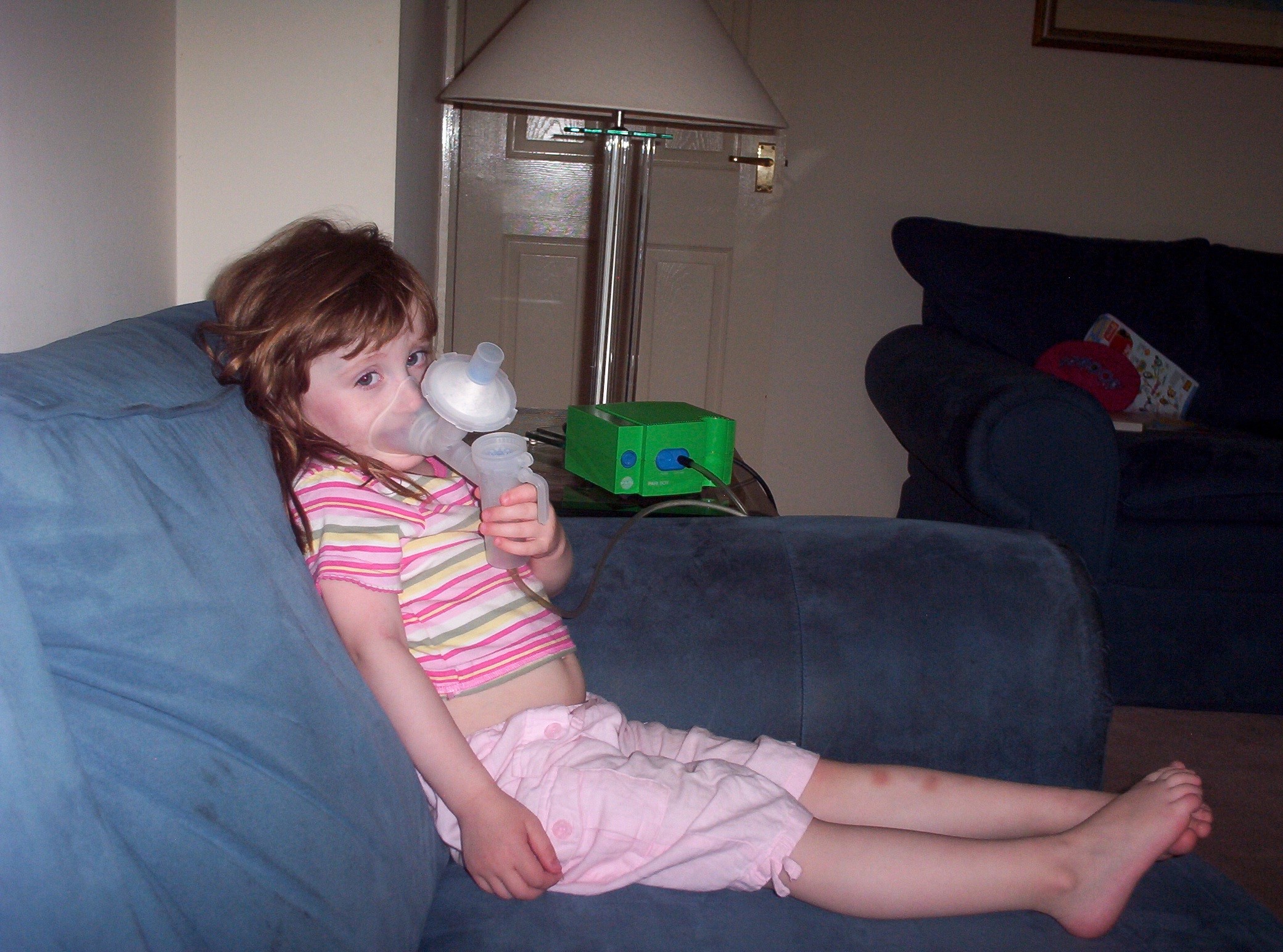 I was diagnosed with cystic fibrosis at 3 months old. After not putting any weight on, alarm bells went off and I was whisked to the hospital where soon after I was diagnosed. Being a child with CF soon became pretty normal. I felt much like everyone else, but I had slightly different routines. I played loads of sports, was super sociable, and did not stop eating!
My condition didn’t necessarily feel like a burden at the time, because I was lucky enough to be somewhat healthy. I struggled with DIOS in my younger years which I found hard to deal with as it disrupted so many of my routines – it took me away from my friends and from school.
Lung-wise I was okay until my teens and then when I got to 14 I cultured Aspergillus. It hit me really hard and I got very sick. I’d aways cultured pseudomonas but it really got bad - I had a portacath fitted, bronchoscopies, swathes of IV antibiotics and antifungals, and nothing would do anything to shift it. The team even sent my case off anonymously to a big panel of experts in the US and they couldn’t work out why I didn’t respond either. Everything they did, I reacted in the opposite way to how I was supposed to. It was almost a running joke. It really hit me that CF was here to stay, and I had to accept it and essentially carry on. 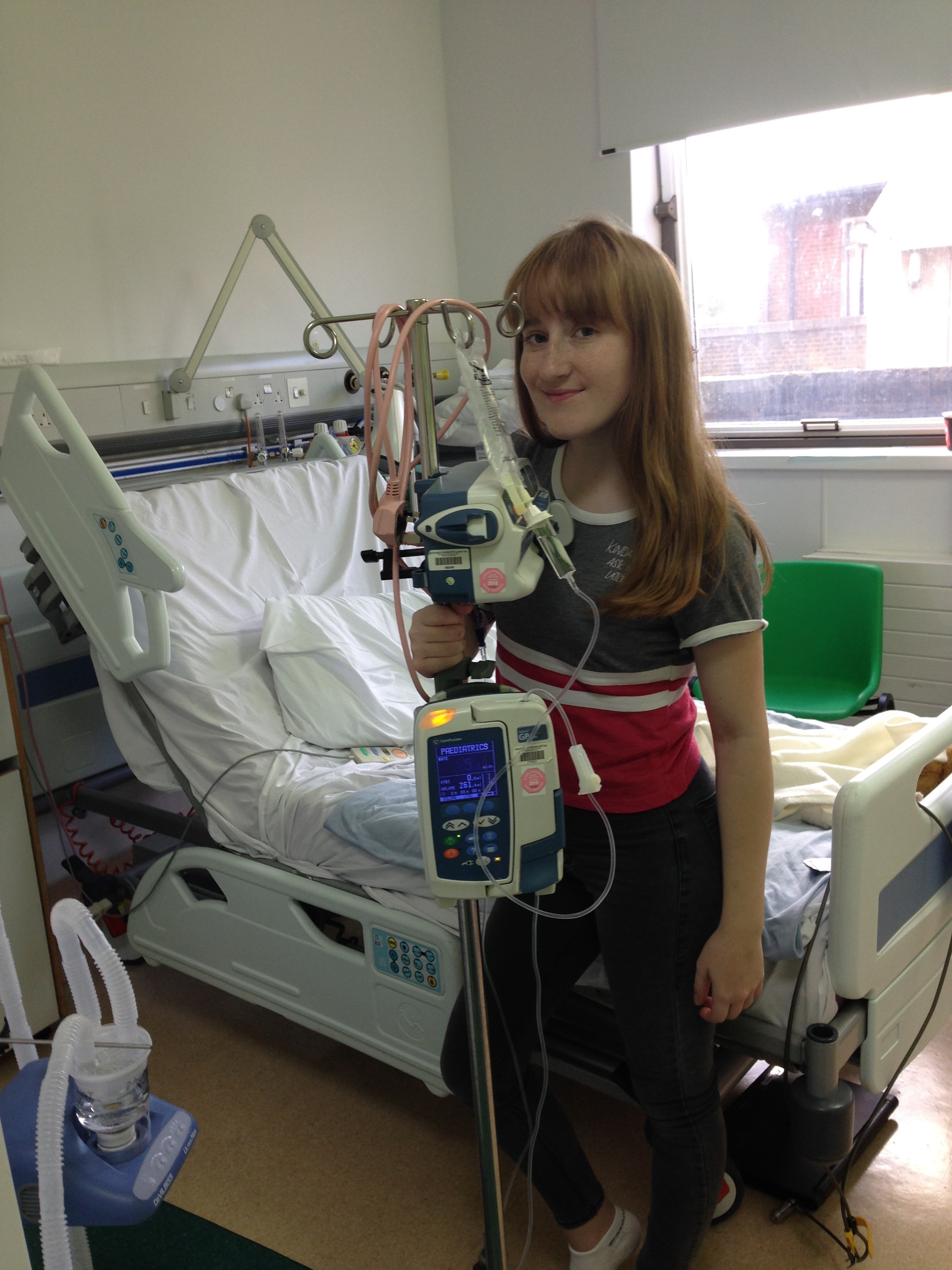
From then, I was at the Brompton Hospital all the time - I did all my revision for GCSEs from hospital. My mum stayed with me every single day, sleeping in pull-down beds or chairs for days on end. I am so grateful for that. The Brompton has a school for sick children to continue their education, and I genuinely think that made the biggest difference in the world to me. It was both a distraction from strenuous treatment that wasn’t working, and the lifeline I needed to stay positive.
Coping during the pandemic
I’ve always been very academic and have high aspirations, but managing this alongside CF became incredibly difficult. From a future that so often felt so definite when I was younger, it started to feel like my dreams wouldn’t materialise in the way that I hoped. When I got my GCSE grades I was so proud. I got the third-highest results in my year, despite barely being at school. People told me how diligent I was despite my CF, but it never really felt true until I saw those numbers on the page.
 After that I faced my next big challenge, starting sixth form as COVID-19 hit pre-Kaftrio. I also moved into the adult CF unit when I was 16 too, which was very scary. I got sick and stayed on my own for the first time, which was a massive change. I no longer had the school at hospital, but Ben, the Careers Advisor, was the catalyst for my love of sustainability now, providing me access to a Fashion Sustainability course.
During COVID-19 I was very sick and people would visit me by waving through the window, but I couldn’t physically see anyone. It was a really lonely time and I couldn’t even face going into my garden as I wanted to be with everyone, so I just sat inside for months. There was so much uncertainty and fear around catching COVID-19 during this time. I was really unwell, coughing up a lot of blood, and I had a lot of infections and lost a lot of weight. I was rushed to A&E with a serious hemoptysis case before being admitted.
Then, Kaftrio happened. I went from lung function in the 30s to 96% (at the time) within a week. I don’t use the word miracle lightly, but it completely changed my life, and my future. My biggest goal was to go to university, but now it felt like a reality. I ended up getting three A*s in my A-levels and chose Exeter University without hesitation. From the little girl with so much passion for learning, to becoming as sick as I was, to making it to graduation, it feels really huge.
University life
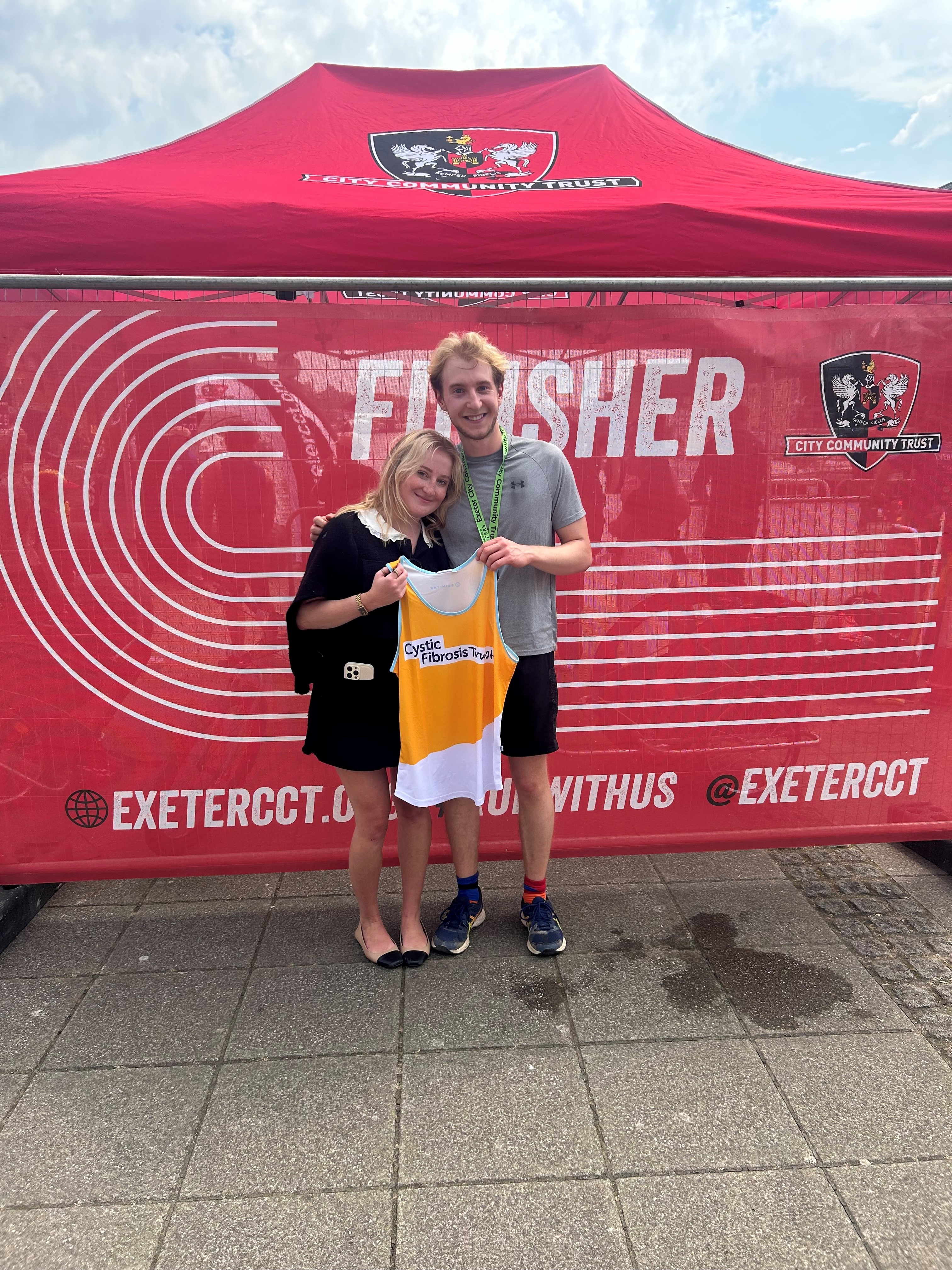 Starting university was like getting thrown into the deep end. I wanted to enjoy my first year of university as much as possible. I did get sick, but oral antibiotics kept me well, and sometimes I forgot for a short time that I had a chronic illness. This taught me a few lessons in making sure to be more regimented with my treatments, as the independence can be quite intimidating when you have CF.
My subsequent years at university have been harder managing my health. In halls, my accommodation was spotless, heated, and damp free. Student housing doesn’t have that privilege. It is very expensive, and bills aren’t often included. You can see your breath in the house, and the winters are so cold. I needed to go to campus a lot, but it became difficult to make the journey. I bought an electric bike to help me deal with the hills and distance, and it has been the best thing I’ve ever owned.
I had IV antibiotics twice a month in my second year. I was really struggling both mentally and physically. After Kaftrio, you feel a bit invincible. But when CF comes to bite, it feels so much harder to cope with. I think it just reminds you that you are still sick, that you are not magically cured. This is compounded by CF being an invisible illness. I don’t look ill, which in so many ways is a privilege. But it often means that my needs may not be validated when they should be.
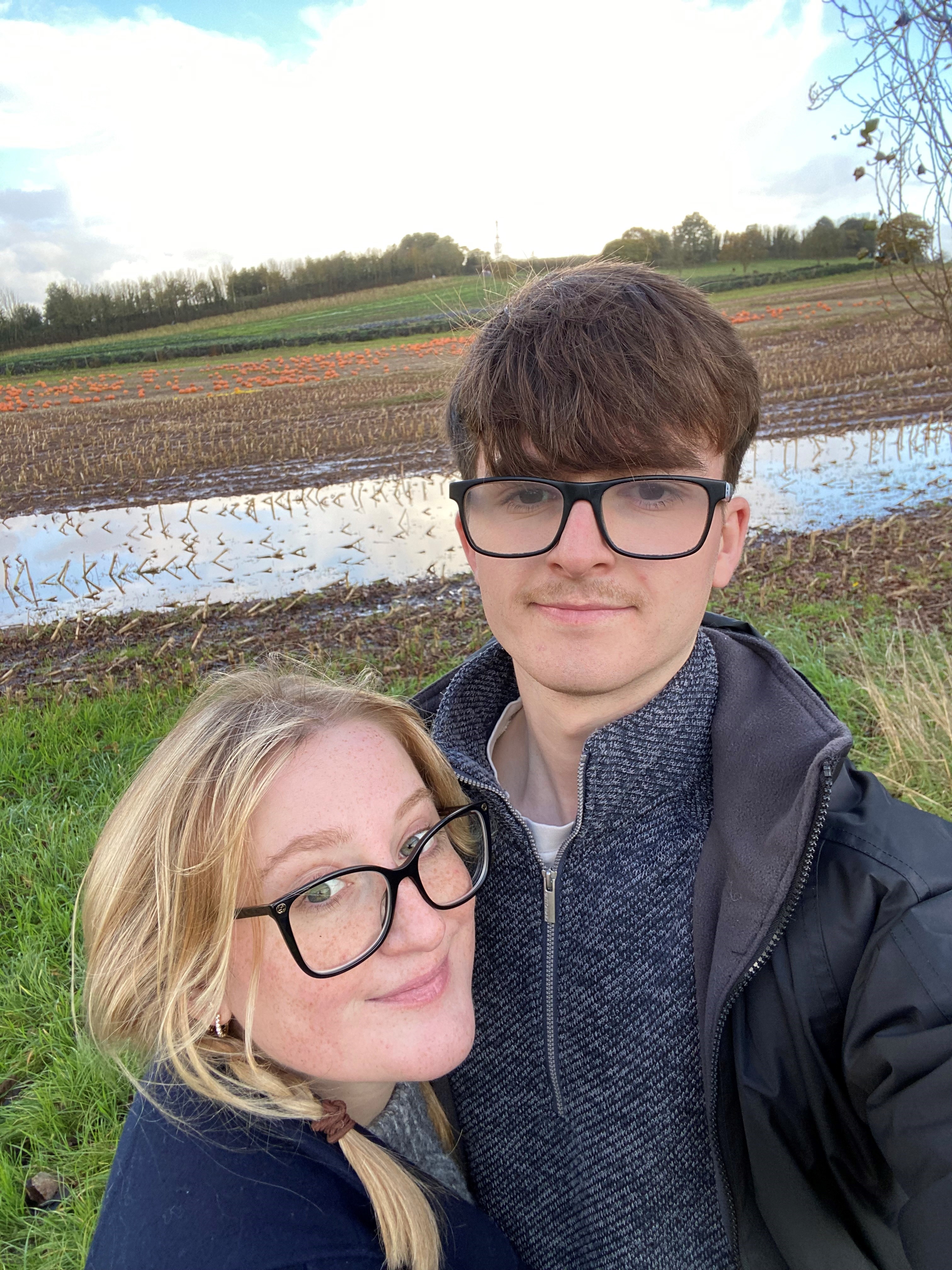 My boyfriend, Louis, has been my rock since the beginning. From someone with little knowledge of CF, he got trained to prepare administer IVs for me. He learned what best to cook, how to recognise signs of hypoglycemia, low salt and exacerbations. He’s never seen my condition as a burden. I couldn’t ask for more. You have to be flexible, because cystic fibrosis changes so rapidly. One minute you’re fine, the next you can’t breathe.
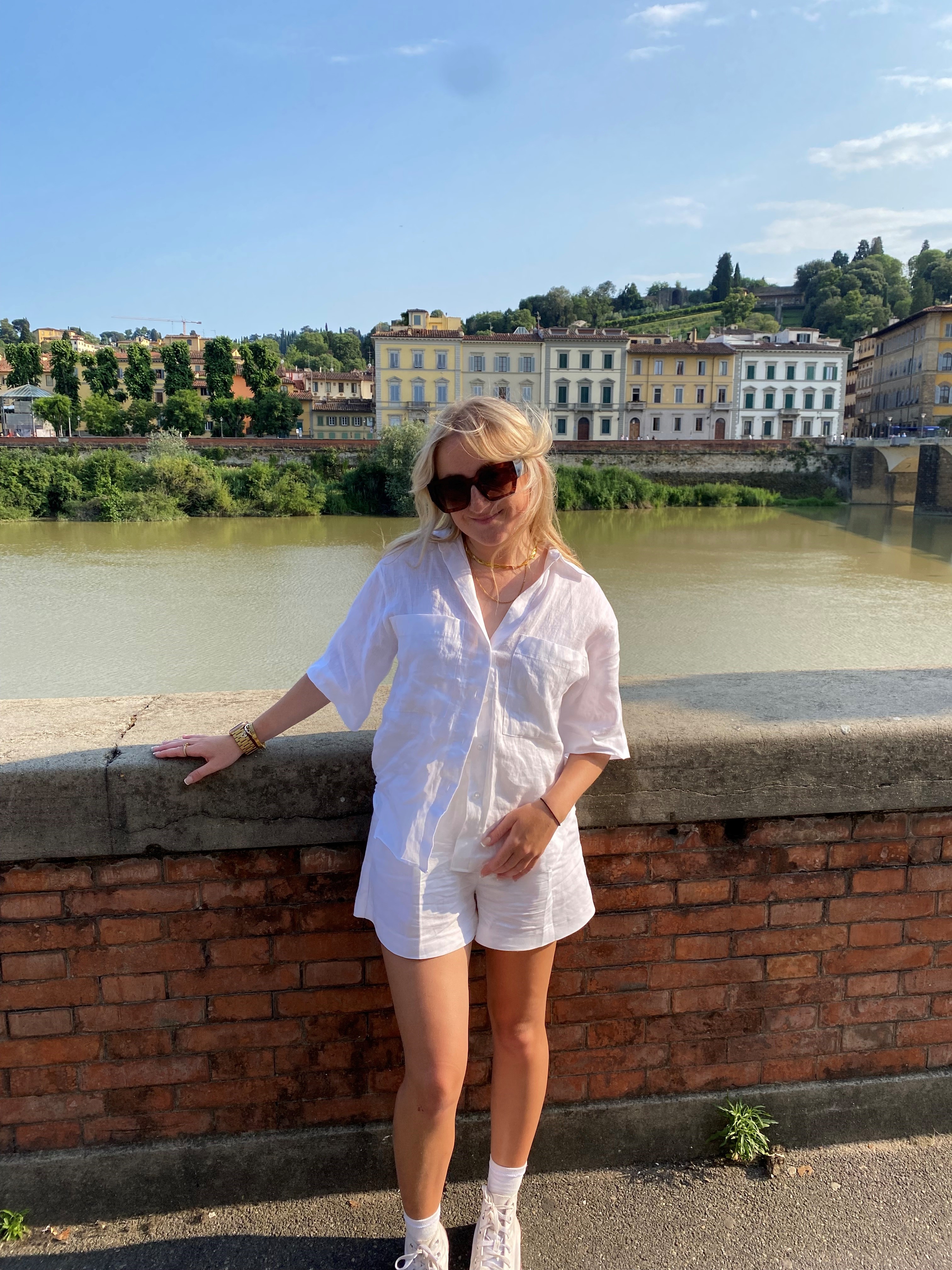
University has been the best experience of my life. I’ve been able to go inter-railing, skiing with university, on hikes, swimming in the sea. All things that seemed near impossible before.
When I was very sick in second year, there was a point where I had three deadlines with big essays, and a portfolio, and was doing an internship on top of IVs three times a day. I was exhausted but I managed to cope. It really shows just how much CF patients can do – we are so resilient and I am proud of that.
I’m doing a Masters next year in Publishing at Exeter. I’ve been working for a local company, David & Charles, who have been the most incredible team to work for. My condition is treated with respect, flexibility, and compassion.
I write a lot, but haven’t discussed my condition in a public setting much before. I wrote an article on chronic illness for the Exeter Tab, and it seemed to really resonate with other students handling similar issues. CF itself is isolating, and sometimes it’s easier to keep it to the side and not talk about it. I write my own blog on sustainability and hope to be the president of the sustainability society in Exeter next year. Of course CF limits me sometimes, but having a great support network of friends and colleagues has been instrumental in my success so far.