This article is more than 2 years old
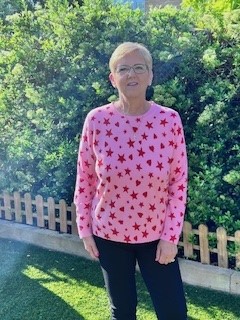
“I have fond memories of my time working within the CF community”: retired research nurse and project manager Judy Ryan reflects on her career
 How did you start working in CF?
I trained as a nurse in 1986 and quickly realised that my forte was respiratory medicine. Initially, I worked as a lung cancer specialist nurse at Addenbrooke's Hospital. In 2008, I joined the CF team at Papworth Hospital, and that’s when I started working in CF research. I oversaw clinical trials for people with bronchiectasis and for those with CF.
I really enjoyed meeting the patients with CF and their families, both on the ward and during home visits for the clinical trials I was involved in. I was always very grateful that people with CF were willing to take part. Without them, we wouldn’t have the medicines that we have today.
Tell us about the digital health studies you were involved in.
I was the lead nurse for the SMARTCARE and Project Breathe studies. We were testing whether it was feasible and acceptable for people to monitor their health at home and, later, how this could support the use of video clinic appointments.
When we started the home monitoring, or ‘telemed’ as it was known then, it was all very basic; for example, the data had to be uploaded via USB! Now that digital technology has progressed, you wear a smartwatch, and it records everything in the background. For those who took part, it was liberating because they could see on a daily basis how their health was.
It’s easy to forget how quickly technology has developed and progressed. For teenagers with CF, their whole life has been about using technology and obtaining information 24/7 – whether that info is good or bad. It’s wonderful to see that we have managed to use technology for the benefit of people with CF and that they are able to track their health in a positive way.
We used to see people with CF every six weeks in clinic, and now that is just not necessary anymore – we can do a video call instead. Why would a 19-year-old with CF at university want to take a day off from their course or job, and drive for two hours each way for a 20-minute appointment to be told they’re doing well? It has made CF patients’ lives less disruptive, and they can now have more of a normal routine. However, there are times when a doctor does need to see a patient in person, as looking at the data doesn’t always tell the whole story about their health and wellbeing.
What changes have you seen in CF?
It’s hard to put it into perspective, as so many people are now taking Kaftrio. When I started working in CF clinics, people with CF produced a lot of sputum and coughed a lot. But now, for many people with CF, the condition looks very different. They can look forward to a brighter future and enjoying life, which is lovely. One of my former patients has become a really good friend. When we take our dogs out for a walk, it’s me that gets breathless, not her!
In your career, what was the biggest challenge?
Within research, it was keeping patients motivated to participate in studies. You would ask them to take part, and they would say, “What for? Research hasn’t changed anything, nothing is coming forward, and new treatments take so long to get approved.”
Encouraging patients to commit to doing their daily treatments, undertake regular physio and eat well also proved to be a challenge at times. However, that can be said for everyone; we all need to commit to a good diet and do regular exercise – but there’s a greater impact for people with CF to do it! Diet and exercise have a more immediate and influential role to play in CF, as it has a huge impact on disease progression.
I hope there is a sustained campaign for further funding for continued progress within CF research. I want to see medicines developed that will enable CF patients to live a life free of long-term infections.
Judy
What was your most inspiring moment?
Seeing patients who have been started on Kaftrio, and how this medicine has changed their lives completely. People with CF who were on the transplant list have been removed and are now living the life we never thought would happen for them. It’s amazing to witness this journey. It’s wonderful that they’re living a life so many of us take for granted.
What would you hope for CF in the future?
I hope there is a sustained campaign for further funding for continued progress within CF research. I want to see medicines developed that will enable CF patients to live a life free of long-term infections.
There needs to be greater public awareness of CF and much more publicity about it and the impact it has on those affected and their families. Perhaps a health awareness campaign could prove beneficial. In terms of what Cystic Fibrosis Trust is doing - just keep on doing what you’re doing, because you’re doing a grand job!
Any last comments?
Working within the CF community was a huge part of my life, and I have very fond memories of this time and treasure the friendships I have made with colleagues and patients. I miss a lot of people now that I’ve retired, but I was blessed to work with some amazing people, including Prof Andres Floto, Prof Di Bilton, Dr Janet Allen, Dr Charles Haworth, and so many other professionals who have dedicated their lives to helping those with CF. I miss the CF patients and their families, but I believe that further CF research will provide them with hope and the answers they need.
For 60 years we've worked together, sharing moments of frustration, despair and hope, overcoming challenges, and celebrating breakthroughs. Always learning and moving forward.
We won't stop until CF does. With your support, we can get closer to a life unlimited.

Our e-newsletter
Be the first to hear about the latest CF research breakthroughs, stories from our community and how you can unite for a life unlimited with us.