
This article is more than 3 months old
Putting CF diabetes research in the spotlight
Meet the researchers
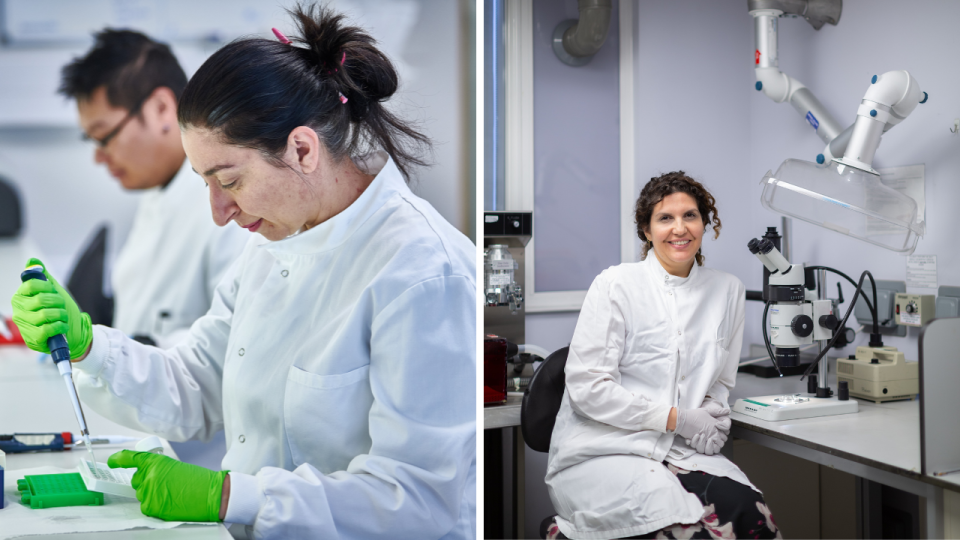 Prof Vicky Salem is a diabetes doctor and also a researcher based at King’s College in London. “My lab is interested in understanding pancreatic islets, which are the tiny little groups of cells in the pancreas that secrete insulin. When these go wrong, you get diabetes,” explains Prof Salem.
Dr Ildem Akerman works in the lab at the University of Birmingham. She is looking at ways to make new beta cells in the lab. These are specific cells within the pancreatic islets that produce insulin. “I have worked in diabetes research for 20 years, but I've never worked on CF diabetes and I had to go back and study CF. I'm excited about this project,” she says.
How would this new type of treatment work?
Ildem: We would take some cells from you, for example cells from a blood sample and make them into stem cells. Stem cells are special cells that have the potential to become any cell in your body. We will use the stem cells to make new insulin producing (beta) cells in the lab. The final step would be to put the new beta cells back into your body. It sounds simple, but obviously it has a lot of complications! Researchers have been looking at this as a way of treating type 1 diabetes and we’re hopeful it could work for people with CF diabetes too.
How would the treatment be given?
Vicky: There are still a lot of unknowns about how such a treatment would be given. What might happen is that you would donate blood, come back six months later and receive the lab grown cells as an implant. We think this would be an implant into the muscle in the front of your tummy.
 Can you tell us more about the studies you are working on now?
Ildem: The first step is with the cells that we already have in the lab. We are taking out the CFTR gene and seeing if we can make beta cells from them. If it’s successful, it means we can make beta cells from any person with CF, not matter which CF variant they have.
The protocol takes about two months. We need to make sure that beta cells made without the CF gene are equivalent to beta cells with the unaffected CF gene. If they’re not, we have to go back and modify the protocol and repeat the studies.
Vicky: For the newly created beta cells to survive and work normally as an implanted treatment, they need a blood supply. We're not sure whether there might be some subtle differences in blood vessel growth and function in people with CF. In this project we’re checking if there are differences and how that would affect whether the treatment is successful or not. We need to know about it now, so that we can stop it from being a problem.
What are the next steps for this research?
Ildem and Vicky: There are a still lot of questions to answer about this type of treatment and we won’t find out all of the answers by the end of this project.
The first step is to make sure that this is a feasible approach for people with CF diabetes. After that we need to make sure we can grow medical-grade cells for implant, for example growing them at scale and ensuring they have no viruses etc. Then researchers can begin testing the safety of this type of treatment.
How could it change the lives of people with CF diabetes?
Vicky and Ildem: It would mean that you wouldn’t have to inject anymore and there would be no possibility of hypos. From work in Type 1 diabetes so far, we know that this sort of treatment really helps with managing hypos.
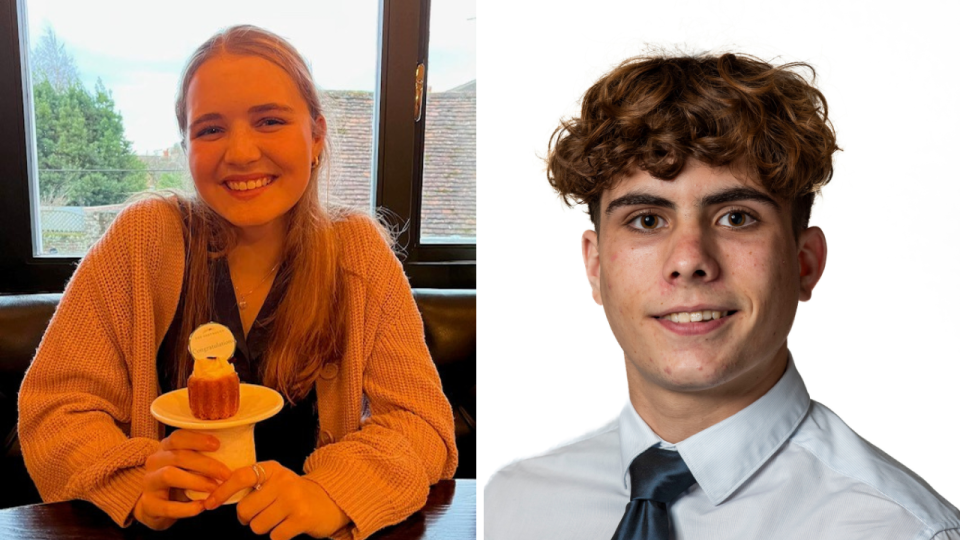
Joseph: Thank you, what you’re doing sounds great. You never even learn about CF diabetes in school. It's just like there's two types. Type one and two.
Tilly: Thank you. For people with CF, diabetes does get pushed to the side in favour of other symptoms and complications of CF. So it's nice someone is looking out for it.

Wear yellow. Raise money. Change the future.
The biggest, brightest fundraising day of the year will return on Friday 12 June 2026. Whatever you do, do it in yellow!