
This article is more than 2 years old
Rare Diseases Day: reflecting on rarer mutations
Cystic fibrosis is caused by mutations in the CFTR gene, which regulates the movement of salt and water in and out of cells. Over 2,000 different mutations in the CFTR gene have been identified! Most people with CF have at least one copy of the F508del CFTR gene mutation. But some people have what are considered “rare” CFTR mutations. Some people may be the only one in the world with a particular mutation.
Over the last few years, scientists have been developing CFTR modulator drugs, which are only effective in specific mutations. Although the majority of people in the CF community have been able to benefit from these new drugs, this hasn’t been the case for everyone. This includes people with rarer mutations, because they may not be able to clinically benefit from these medicines.
Developing treatments for people who aren’t able to take CFTR modulators was identified as the top research priority by people with CF and their families, researchers, and clinicians in the 2022 refresh of research priorities.
Lizzy and Isaac’s story
We spoke to Liz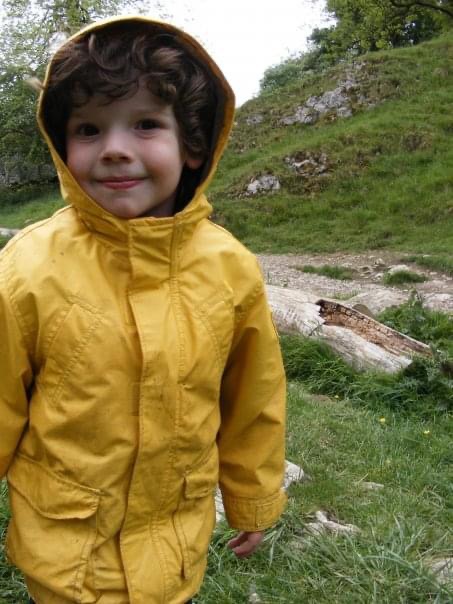 zy, whose son Isaac has a rare CFTR mutation and cannot take modulators.
“Isaac’s CF diagnosis came as a complete shock. As soon as he was born, he started losing weight and we were worried, as first-time parents, that we were doing something wrong. Back then, there was no written material – we were told not to believe everything we read online, and to contact Cystic Fibrosis Trust if we wanted to.
“We were thrown into a world of Creon and vitamins – anything we could do to get him to put on weight. He caught bronchiolitis at eight weeks, and he was very small and poorly. We spent a few weeks in hospital – we weren’t sleeping, and it was one of the darkest times. As a new parent, I thought ‘why him and not me?’ I would have done anything to take it away from him. Instead, I promised to dedicate my life to him and be his advocate.
“When the CFTR modulator drugs came along, I already knew from my research that because Isaac has two rare mutations, they would not work for him in their current state. Despite this, I joined the protests in London and am delighted at how many people now have a future that they would never have dared to dream of.
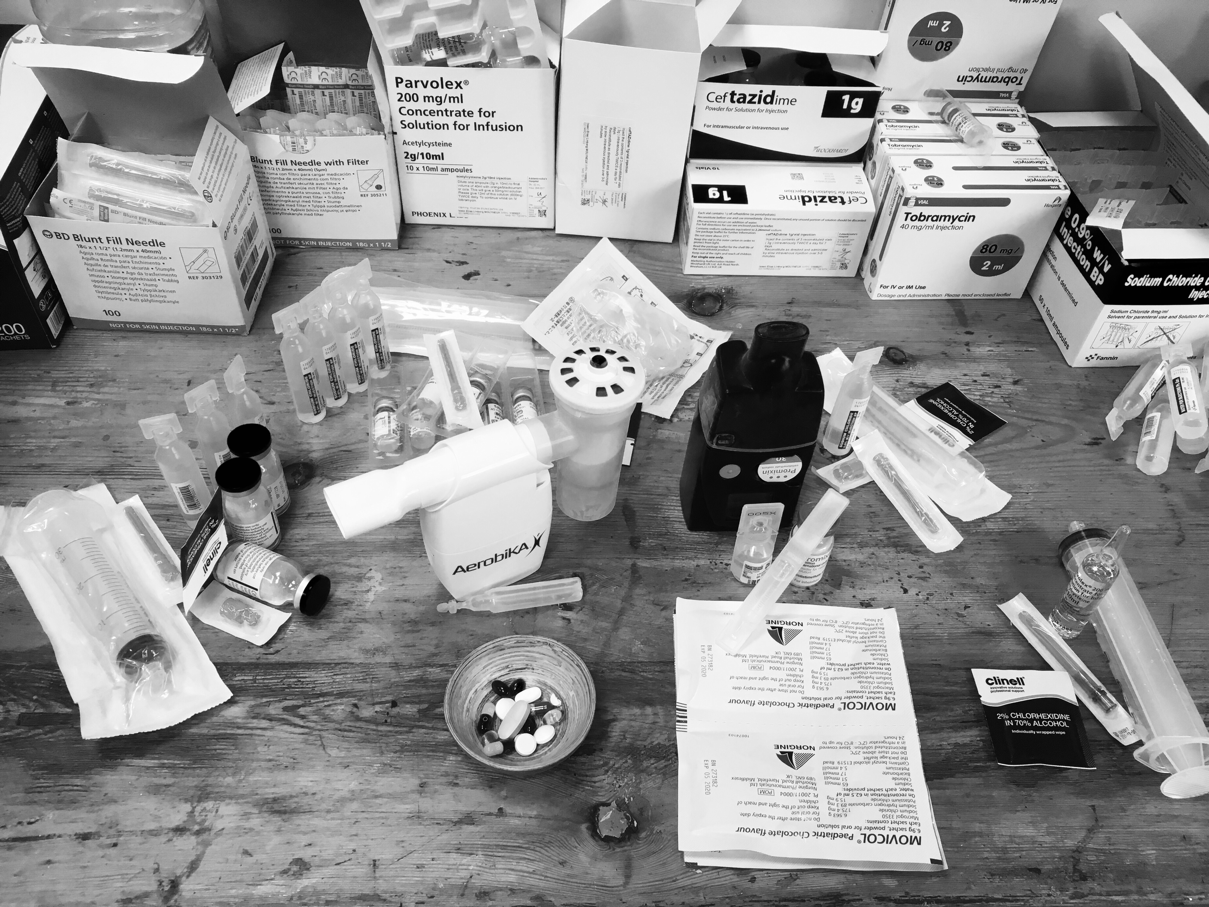 “I had heard about gene therapy through the Trust and knew it would be years away. We knew of two trials that Isaac would be eligible for, but we wanted all our options to remain open. Isaac recently completed a clinical trial, and we remain hopeful there will be plenty of treatment options for him in the future. They estimate 10% of the CF population can’t take modulator therapies, and many of those will still be children or might be ineligible for trials.
“This week, Isaac turns 19. He’s been unable to work for the last six months because of his health, but we’re doing everything we can to find trials for him to be involved with and keep him well, though he’s doing a lot more decision-making himself. We’re grateful for anything that can help improve his quality of life or reduce his burden of treatment – any advancements in treatments and technology that can get him to a better place would make a huge difference.
“I also do everything I can to give back, by getting involved with fundraising, research, and involvement at Cystic Fibrosis Trust. It’s reassuring to see the research that they are funding, so one day people like Isaac can live a life unlimited from CF. As a family, we’re in a holding pattern at the moment, waiting for something to come along that’s as close to a cure as we can get.”
What we’re doing to help
We are funding a number of lab-based research studies that could benefit people with rare mutations. This includes studying the potential of treatments that don’t work directly on the CFTR protein itself – which would therefore benefit everyone, including those with rare mutations – and studies that are trying to understand the CFTR protein in more detail.
Early phase genetic therapy clinical trials are now recruiting a few people with CF in the UK. The treatments being tested are designed to improve the lung function of CF. They’re in the very early stages, but they hold a lot of promise for the future. You can take a look at genetic therapy clinical trials for CF on our Trials Tracker.
We’re also working actively to improve the day-to-day symptoms of everyone with CF. This includes diagnosing and developing better treatments for infections that are becoming resistant to current medicines. We’re doing this by funding research directly and supporting researchers in universities and in the pharmaceutical industry through the CF AMR Syndicate initiative run in partnership with Medicines Discovery Catapult and LifeArc.
We’re dedicated to funding research that will benefit everyone with CF, regardless of their CFTR mutation. We won’t stop until everyone can live a life unlimited.

Sign up to our newsletter
Get the latest news on what the Trust and its supporters are doing straight to your inbox