
This article is more than 2 years old
"When I got my transplant, I was told that it would give me an extra five years of life; I'm currently 25 years post-transplant": Vicky shares her story
 My CF diagnosis
I was born in 1971 and was diagnosed with CF in 1975 when I was three years old. At this time, there was very little understanding and knowledge about CF.
I had watery nappies from the beginning and was failing to thrive. My parents were constantly taking me back and forth to the doctors, but they kept getting ignored.
Then, finally, at one of my GP appointments, a locum came to see me. She knew about CF and suspected that I had it, so she asked my parents if they would agree to take me for a sweat test. And that's how I was diagnosed. My brother, who is six years older than me, also got tested, but his results came back negative for CF.
Starting treatment
I was only three when I started taking daily medications and doing physio, so I can't remember it all. Still, I do recall having to sprinkle medication onto all my food.
I was pretty small and weak up until the age of around 10. In part due to being told to cut out all fat from my diet. Obviously, looking back now, that's a significant factor in why I failed to thrive. As I got older, the advice switched completely, and I was told to eat as much fat as possible. At this point, I switched to taking Creon and began training myself to take tablets.
My brother is now a doctor, but even when we were little children, he was always such a big support for me. He would always look out for me, and whenever I was given a new supplement, he would always try it to encourage me to take it.
My teenage years
By the time I turned 11, I started to get a lot fitter and stronger, and at 15, I was running cross country for my county. I used to train five or six times a week, so my dad said I could swap out my percussion physio on the days I ran. That became my physio. On the days I wasn't able to get out running, I would run up and down the stairs about 60 times.
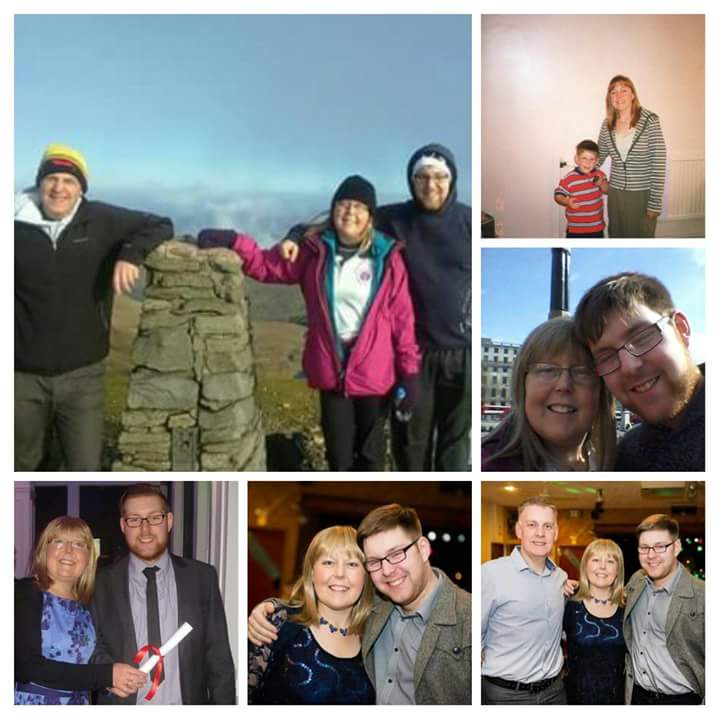
I left school at age 16 and met my husband. I even got him into fitness and trained him to do the Great North run with me.
When I had my transplant, my goal was to live long enough for my son to remember me. I never dreamt I would watch him grow up, but now I've got a grandson!
Vicky
 My decline
It wasn't until I was 17 years old that I had my first hospital admission. I had a type of asthma attack after my dad died, which led to the admission, and that was also the start of my deterioration.
Unfortunately, I was under the care of a chest consultant, not a CF centre, so I never got any of the treatment that I should have, such as oxygen or IVs, as I started deteriorating and needing more intervention.
They even told me I had anorexia because I was losing weight and had no appetite. So, my care was just completely wrong for my CF, and I had so much mistreatment that I almost ended up dying on the transplant list.
By this time, my brother had become a doctor and was training in Leeds, so he started ringing around specialist consultants because he didn't think I was getting the care I needed at my local hospital.
He would constantly question my consultants about the care I received and would even suggest different treatments they could try.
In the end, my brother managed to get in contact with Dr Conway in Leeds, and eventually, I was transferred to the Leeds Regional Adult Cystic Fibrosis Service at the age of 22.
I had a two-week admission on IV antibiotics, and I came out as a new person; I put on a stone and a half and was taken off the transplant list. I was finally able to start living a normal life again, and at 23, I fell pregnant with my now 30-year-old son.
So, while my new CF team was able to slow down my deterioration, they weren't able to reverse any of the damage that had been done to my lungs over the five years I went without proper CF treatment. And, by the time my son turned five, I was back on the transplant list.
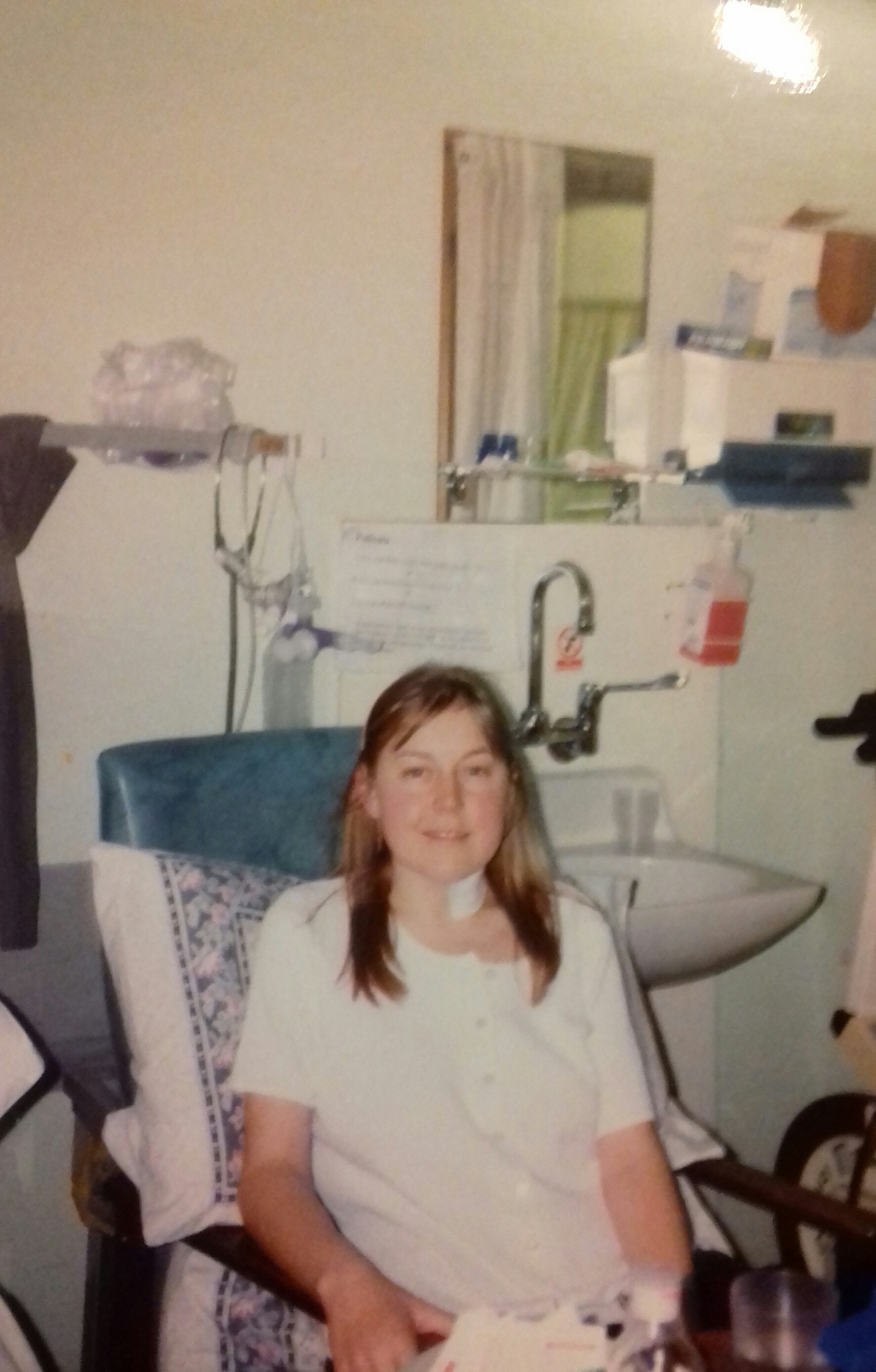
The transplant transformed my life pretty much overnight. I came out of surgery at 7am, I woke up at 3pm and was taken off the ventilator at 7pm. The next day, I was moved to the normal ward, and on day three, I was able to get on my exercise bike.
I was discharged from hospital two weeks and five days after my transplant.
I could finally be myself again rather than someone struggling to survive, which meant I could look after my son full-time. I could walk around the block, go to the park, and have a night out with my husband; all the normal daily things we take for granted were possible for me again. I didn't want to do anything extravagant, like skydiving; I just wanted to return to my normal family life.
Life post-transplant
A year after my transplant, I became really unwell, and the doctors were worried it was rejection, so I was given radiation treatment. I got better after that and went a further nine years without any problems.
It was 10 years post-transplant when I started running into problems again. I began having lung symptoms, was producing more sputum and kept picking up infections. That's when my team decided to put my back on my Promixin nebuliser, and I am still on it now.
In terms of the medication I now take, I am still on all the prescribed vitamins like vitamin D, but I also have cystic fibrosis, arthritis, and CF diabetes, so I take treatment for both of those now.
And obviously, I am taking all my transplant medications (anti-rejection tablets, immunosuppressants and antibiotics for reducing inflammation). Taking medications has been part of my life since I was three years old, so it doesn't bother me. It's part of the maintenance needed to keep me going, so I don't think about it too much. I see it as another thing that keeps me fit and well.
Although I do still need to have IVs from time to time, the treatment I am allowed has been adjusted since having the transplant. The main problem post-transplant is the impact anti-rejection medications can have on the kidneys; I have stage three kidney disease. So because of that, I have to be careful, and I can't take full doses of IV antibiotics like I would have done pre-transplant.
The mental strain of transplant
Obviously, adjusting to a new normal is a challenge, but the only time I really think about rejection is when I am ill. During those times, I do get really nervous. But when I am well and just going about my day-to-day life, I never really think about it.
When I got my transplant, I was told that it would give me an extra five years of life; I'm currently 25 years post-transplant.
So, I just try to live the best and most positive life without focusing too much on having an expiry date. I do all my treatments and work hard to keep fit and well. That's all I can do, really. No matter how hard I try, I can't completely stop my health from deteriorating, so I don't dwell on it too much.
Finding support
My husband and brother have been my main support systems throughout my life. But I also have three close friends with CF, who I met at Leeds (when people with CF were allowed to mix). Now, three of us have had transplants, so we have continued our friendship and mix as normal, provided we all feel fit and well.
Speaking to others with CF is amazing. It's great to find support and community through people who can understand and relate to what you are going through. My husband also found it so helpful to speak to the partners of people with CF. You can't compare that firsthand experience of talking to someone else with CF; it's invaluable.
People with CF are no longer allowed to meet in person due to the risk of cross-infection, but those friendships can still develop online. Having that support system is very important.
Advice to other people living with CF
Keep yourself as well and fit as possible and do your treatments. I know it can feel like a lot of effort and hard work, but it will keep you alive for longer. The fitter you are, the more able your body will be to fight off infections.
And make sure you look after your mental health. For me, getting outside in the fresh air and sitting in my garden is so beneficial. There is also so much extra support nowadays from therapists and psychologists, so make sure you are getting the help you need because the stronger you feel mentally, the more you will be able to cope with your CF.
If I had to give some advice to my younger self, it would definitely be to be kinder to myself. I am so hard on myself, and I spent so many years feeling so guilty about the times I would leave my son while I was in hospital or feeling guilt over not being able to breastfeed him as a baby. But there is no point in punishing myself for those things because they were out of my control. I did the best I could.
My hopes for the future
I want to be around to see my two-year-old grandson Rory grow up.
When I had my transplant, my goal was to live long enough for my son to remember me. I never dreamt I would watch him grow up, but now I've got a grandson!
I would like to thank all our friends and family who have stood by us over the years, but mainly my wonderful husband Erik, who makes it possible for me to be the best I can be and live the best life possible.
We are forever grateful to my donor and donor family; without their kindness, the last 25 years would not have been possible.
They didn't just save me; they saved my family.
Cystic fibrosis (CF) is a genetic condition which causes sticky mucus to build up in the lungs and digestive system. It affects more than 11, 148 people in the UK. One in 25 of us carries the faulty gene that causes it, usually without knowing.
Your donations help us fund vital research. Donate today to help everyone with CF live a life unlimited.

Wear Yellow Day 2024
Don your yellow and join us for Wear Yellow Day on Friday 21 June.