
This article is more than 4 years old
Celebrating Biomedical Science Day 2022
Jacob, what made you want to pursue your studies in biomedical science?
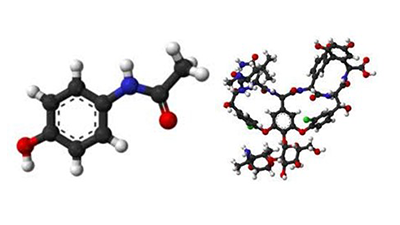
I have always had an interest in how things work and that meant a natural interest in the sciences, but my interest really grew when I began to understand life on a molecular level. A new and unbelievably complex world began to open up to me and enabled me to link certain areas of my own life together.
Having cystic fibrosis meant that my vocabulary of medicines was already large, and so linking actual structures and mechanisms to this large body of names was a natural development. I took to making molecular models of drugs for fun, from paracetamol (20 atoms) to vancomycin (176 atoms), being able to ‘see’ these compounds made it inherently obvious that they were more than just ideas or theories, but real things that could be and would have been designed and optimised for a purpose. I also began to believe that I could be involved in the design of other compounds many years into the future.
After school, I studied for a joint degree in Biology and Chemistry at university. As an undergraduate, I was fortunate enough to do a Trust-funded Summer Studentship, where I was able to spend some time doing some research with Professor David Sheppard who was researching new CF medication. This was my first ever hands on research experience and I loved it - the problem solving, being able to observe and affect this small section of the natural world, and the knowledge that what I was doing was, in some way, helping people.
I am now doing a DPhil (PhD) in biological and medicinal chemistry - researching and designing new antibiotics that can fight resistant infections. I still hold on to that sense of wonder at probing a tiny part of a very complex molecular world, but also get to design new compounds to do new and interesting things. I hope that my research can find new antibacterial drug targets and help to provide a possible solution to the development of antimicrobial resistance.

Do you think CF played a part in your interest in biomedical science and your decision to study it?
My CF played an undoubtable part in my interest in biological chemistry. I like to think I would have always ended up doing some sort of science, but I am sure that my CF made me more interested in the life sciences than the others, even if I did think I was going to be a physicist for most of my school years.
I think it’s natural that when your own health is such a big part of your life, your academic life also follows this focus. The developments in the treatment of CF and the introduction of CFTR modulators only furthered that interest. The sudden and dramatic positive changes in people’s health is testament to the power of medicinal chemistry and is an example I speak of a lot when discussing the importance of our work to students, colleagues and collaborators who sometimes can forget the real-world impact of what we do.
Do you think CF has impacted on your studies in any other way?
I think aside from missing bits of school and university here and there, having CF has given me a significantly different outlook on life to many of my peers. Having first-hand benefit of the difference new medicines can make changes your perceptions on work in the lab and can help put things into perspective when things get tough. Perspective is important, lots of science can get stuck in rut, so having first-hand experience of the end goal is a useful reminder of why so many of us are in the lab.
What would you like to do in the future with your scientific background?
The first aim to is to finish the DPhil, which is still quite a long way off. I then hope to continue to use my knowledge and understanding of the molecular world to improve human health. This leaves a lot of wiggle room for the specifics. I might continue in a lab-based role, or maybe move into a more holistic role which asks broader questions about how and why we develop medicines, who we hope to benefit and how we fund and pay for them and their research. Either way I hope to continue to help developing the next generation of medicines, even more effective than the last.
Cystic fibrosis (CF) is a genetic condition which causes sticky mucus to build up in the lungs and digestive system. It affects more than 10,800 people in the UK. One in 25 of us carries the faulty gene that causes it, usually without knowing.
Since 1964, we've supported people with cystic fibrosis to live longer, healthier lives -and we won’t stop until everyone can live without limits imposed by CF.

Wear Yellow Day
Unite with us on Friday 17 June, Wear Yellow and raise money to help create a brighter future for people living with cystic fibrosis. Dress up, bake or take on a physical challenge, but whatever you do… do it in yellow!