
Linking UK CF Registry and cancer registry data to understand more about cancer risk for people with CF
CF researcher and physician Professor Peckham and cancer epidemiologist Dr Downing both from the University of Leeds are leading a new research study in partnership with NHS England and Cystic Fibrosis Trust. We spoke to them about what their study involves and why the research is important.
Tell us about yourselves

Daniel: I’m Director of the Adult CF Centre in Leeds and Professor of Respiratory Medicine at the University of Leeds. I have established a strong base for clinical and basic research in cystic fibrosis with a focus on CF-related inflammation, gut dysbiosis and cancer, with the aim o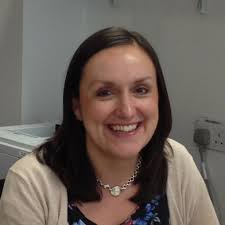 f improving the lives of people with CF.
Amy: I’m Associate Professor at the School of Medicine in Leeds where I lead the Cancer Epidemiology Group. We use large, population-level datasets to understand more about the care and outcomes of cancer patients.
What’s your research about?
Existing research suggests that people with cystic fibrosis have a higher risk of being diagnosed with cancer than other people of similar age.
The risk of developing cancer increases as we age. Therefore, as life expectancy increases for those with cystic fibrosis their risk of cancer will increase. Our previous work found that there is a higher risk of bowel cancer for people with CF than the general population. This study will build on this work to look at how likely someone with cystic fibrosis is to develop any type of cancer, and whether some have a greater risk than others. It will also look at outcomes after cancer, such as type of treatment and survival and if this differs between people with CF and the general population.
The results will help determine the best approaches to cancer screening, testing, and treatment for people with cystic fibrosis.
What will the study involve?
The study will involve linking UK CF Registry data with a cancer registry for the first time.
Previous studies haven’t been able to use both the highest quality cystic fibrosis registry data and the highest quality cancer registry data as the two are currently stored separately, meaning they haven’t been linked together before. Linking data from the two registries will make sure that we have accurate numbers on everyone with cystic fibrosis who has developed cancer.
The UK Cystic Fibrosis Registry contains clinical (treatment, transplant status, information about CF genotype) and demographic (age, sex) information about people with cystic fibrosis in the UK. Cancer registry data (held by NHS England), known as the National Disease Registration Service, contains information about people diagnosed with cancer, including their age when they are diagnosed, the type of cancer they have, and their treatment. We will link the two data sets to understand more about the types of cancer affecting people with cystic fibrosis, when the cancer develops and if this is different to the general population.
At this stage, the study only includes people living and being treated in England. We hope that people in Wales, Scotland and Northern Ireland will be included in the future.
My daughter Lorena, who had cystic fibrosis, died in January of this year aged 29 from metastatic pancreatic cancer. In September 2023 a pancreatic cyst was identified on her imaging and 6-monthly MRI surveillance was recommended by the reporting radiologist. That recommendation was not acted on for fifteen months. By the time her cancer was diagnosed it had spread, and the interventions that might have changed her outcome. Early surgical or ablative treatment, neoadjuvant chemotherapy, clinical trial eligibility were no longer available to her.
I welcome this research wholeheartedly. As both a mother and a clinician, what I most hope to see emerge from it is not only better numbers but better pathways: clear, prospective surveillance for the cancers we already have reason to worry about in adults with CF, including pancreatic and hepatobiliary cancers, alongside the bowel cancer work already underway.
The CF community has fought hard for longer life. We now need to make sure that the years we have gained are not lost to cancers we could have caught earlier. – Sheila, Lorena’s mum
How will the data be kept secure?
The analysis of the data from the two registries will be done in an area known as a ‘Trusted Research Environment’, which has no access to the internet or other networks making it highly secure.
To obtain linked information, a small number of approved people working in the UK Cystic Fibrosis Registry team and NHS England will have access to identifiable information (NHS number, sex, date of birth) about people included in this study. Identifiable information such as names and addresses will not be shared with the research team. The research team at the University of Leeds will only be able to see a study specific ID, which is an anonymous number and the requested cancer and cystic fibrosis data. This will ensure that the research team will not be able to identify anyone from the data.
Where can I get more information?
If you would like to know more about the study, please visit http://www.cancercf.co.uk/ or you can email the Principal Investigators Prof Daniel Peckham ([email protected]) or Dr Amy Downing ([email protected]). If you wish to opt out of your data being used, please visit http://www.cancercf.co.uk/ for details of how to do this.
When will results be available?
This study started in January 2026 and will run for three years. We plan to publish findings as we progress with the study, and updates will be shared on our website.

Our e-newsletter
Be the first to hear about the latest CF research breakthroughs, stories from our community and how you can get involved in our work.