
This article is more than 6 months old
Male fertility and CF: Dan, Sean and Matthew share their stories
Around 98% of men with CF are unable to father children naturally because the tube that carries sperm (called the vas deferens) is missing or blocked. This condition is known as congenital bilateral absence of the vas deferens (CBAVD). Their sperm is usually healthy – it just can’t travel through the blocked or missing vas deferens. It is still possible for men with this CF-related problem to father biological children through fertility treatment.
We spoke to Dan, Sean and Matt to hear about their experiences – and why they wish there was more awareness of this aspect of cystic fibrosis.
Sean’s story
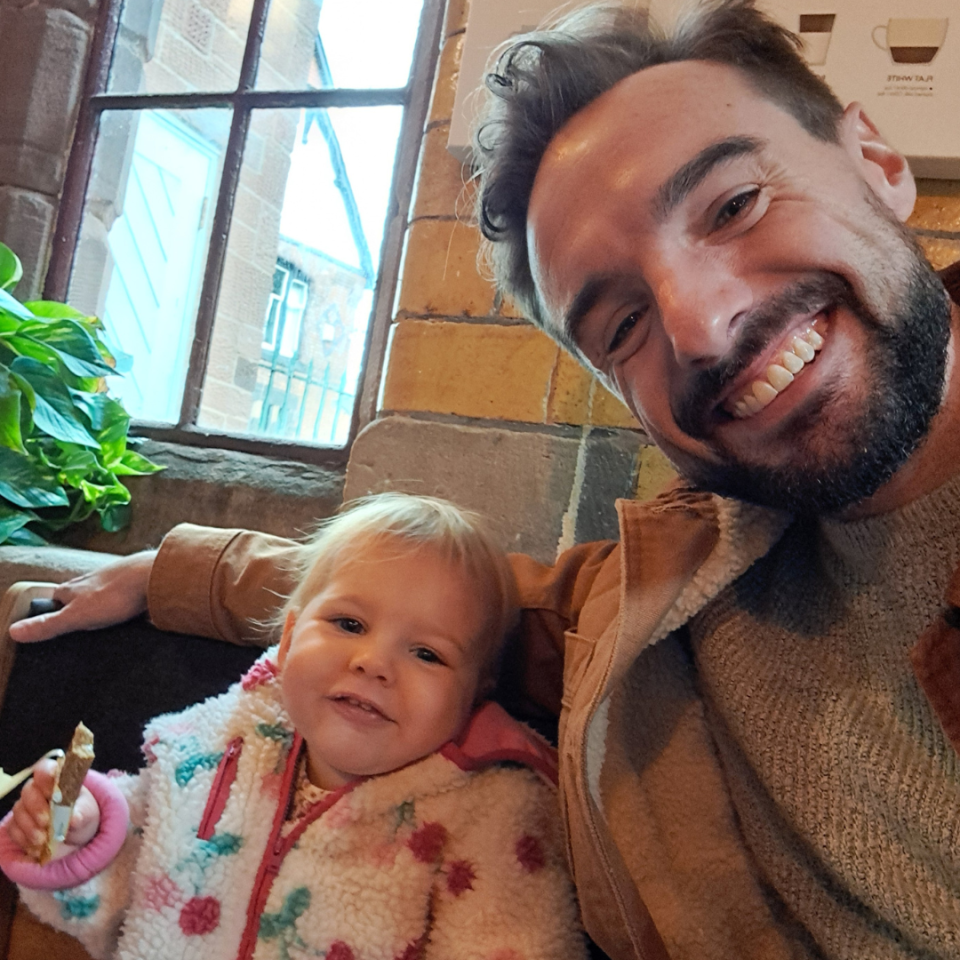 I found out about CF and fertility in my early to mid-teens. I was reading a newspaper article about CF and it also talked about the life expectancy, which was lower than it is now and news to me at the time. I remember from that moment researching a lot more about the condition. I had conversations with my CF team and they told me, ‘You won’t be able to father your own child’ – which is not the case.
It came up again when I was studying at sixth form and that was really difficult. We did a philosophy module on IVF; it really hit me hard and I sat out of those lessons. It was a lot to deal with, and I ended up seeking help from my CF psychologist at that time.
I met my partner Anna in my 20s and I had a fertility test not long after, which confirmed I wouldn’t be able to father children naturally. I had hoped having this test done early might make the process quicker later down the line, but I had to have another one later on because of living in a different region. Things like this can make navigating the system really hard and there were confusion and delays throughout.
I also felt quite uninformed about fertility. There’s a lack of awareness around this topic, and I think there needs to be more done to educate men with CF and CF teams. All the way through the process I felt there was a real lack of clarity.
Eventually we started IVF, and we got four fertilised embryos that resulted in a pregnancy which was amazing. Seeing the heartbeat of my daughter was indescribable and there was an overwhelming sense of relief that I hadn’t anticipated. We had it hanging over us for so many years and we didn’t know if it was going to be a possibility for us. When she arrived, it was just the best feeling.
My advice to other men with CF who are going through this process is to try and get the ball rolling as early as you can. Talk to people: your community, friends and family. Don’t be afraid to ask questions. And keep the faith!
Matthew’s story
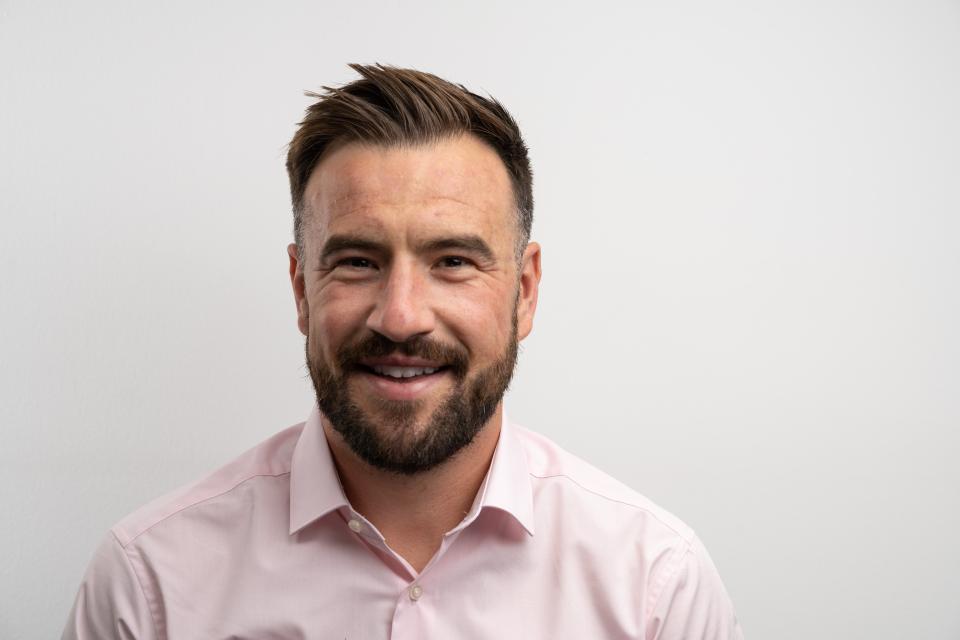 We’re about to start IVF, but it’s been a very long process to get here. There isn’t always the specialism in CF teams to be able to talk about this topic and it wasn’t easy to access the information I needed.
Navigating the NHS has been like navigating a maze, and there have been barriers every step of the way. We were told we had to wait 80 weeks for an appointment for treatment on the NHS. In the end, we were pushed to go private. We are of course privileged that we can do that, but there’ll be many people out there who won’t be able to.
I feel that there should be some kind of *protocol that means men with CF are having discussions with their CF teams about fertility at an earlier age. This will mean we know where we stand and can understand some of the processes that we might need to go through to become fathers.
It’s been a really challenging experience for me and my partner and very emotionally draining. I hope that there can be more awareness around this symptom of CF and I’m passionate about sharing my experience to help other men going through the same thing.
Dan’s story
I have two daughters. My eldest daughter was conceived through IVF and my youngest is adopted.
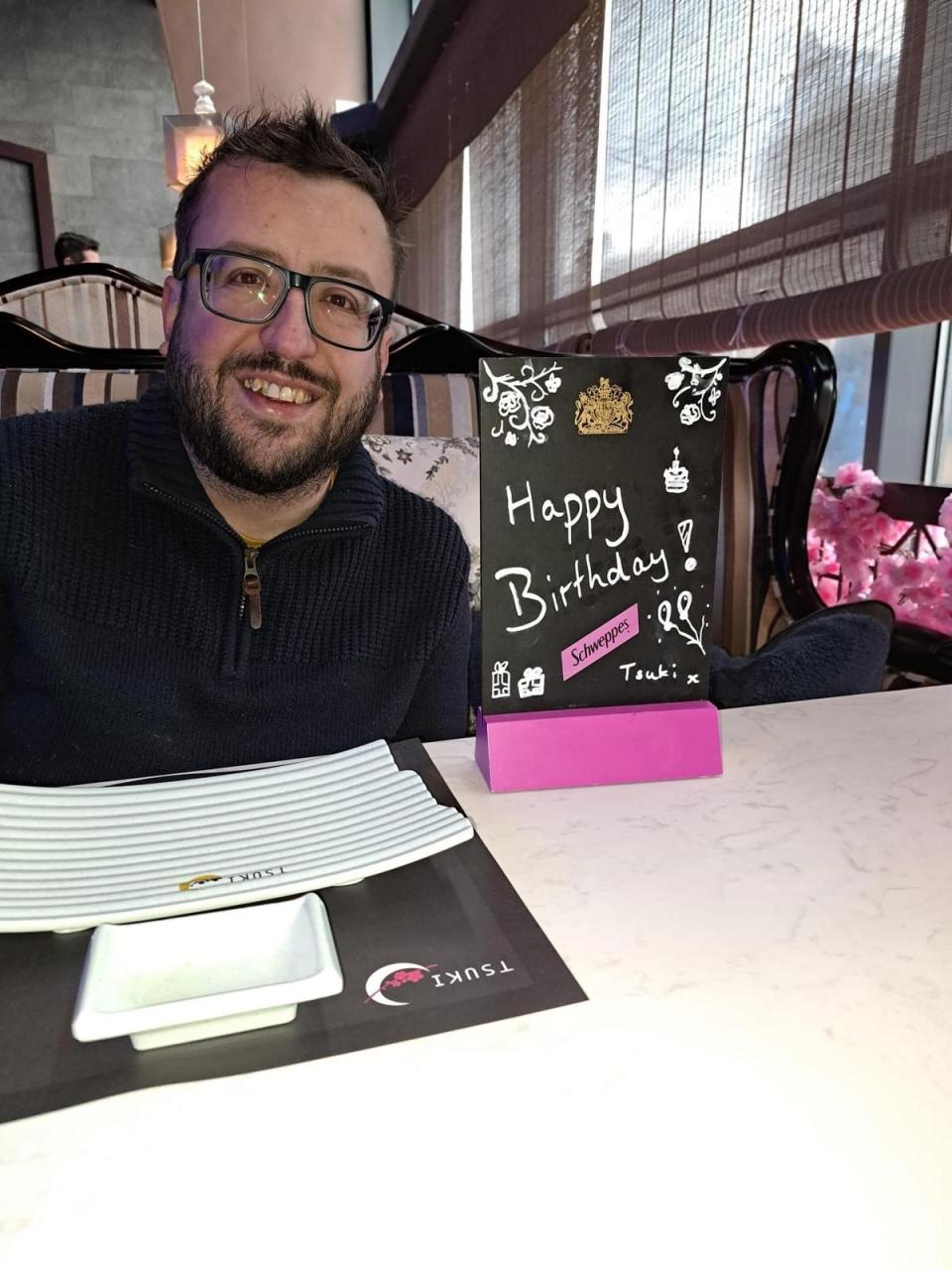 I found out about infertility being a possible complication of CF at a CF clinic when I was about 11 or 12. It happened to be dropped into a conversation – it was a shock but as I was still quite young, it wasn’t on my direct horizon at that time.
When me and my wife started fertility treatment it was very stressful and there were a lot of ups and downs. Starting a family should be a lovely and enjoyable experience, but just the nature of it makes it feel very medicalised. You can’t help but blame yourself and there’s a lot of guilt there as you feel the responsibility of it. We were very lucky that IVF worked for us first time, and we were able to have one funded cycle through the NHS.
You feel quite disconnected from your CF team when you’re going through the treatment; you’re referred on to a completely different service that obviously doesn’t know you or anything about your CF. It felt quite isolating and, particularly for men, there didn’t seem like there was much support out there.
Adoption was a mostly positive experience, but there were some concerns around my health and how it might impact the assessment process. We actually had some negative conversations with providers about this, and it put us off for a long time. But in the end my health didn’t affect the process at all.
I feel incredibly lucky to have my family of four and privileged that I’m well enough to spend time with them, as there were times before Kaftrio when I worried how long I’d be around to see them grow up. I think it’s really important that we raise awareness of CF and how it impacts the WHOLE body, not just the lungs.
We’re here to support you
If you have questions about fertility, please get in touch with your CF team or our Helpline.
Call 0300 373 1000 or 020 3795 2184, Monday–Friday 10am–4pm
Email [email protected]
Chat with us on Facebook, Twitter or Instagram
Message us on WhatsApp on 07361 582053
Find out more about fertility and CF
*We know that this is a really important topic for many men with CF and last year we updated our Standards of Care to reflect that. This is what is outlined:
- CF teams should have developmentally appropriate conversations about fertility issues with all people with CF, throughout childhood and teenage years.
- All males should be offered semen analysis when appropriate.
- Males should be educated that they cannot assume they are infertile unless formally tested, and should take appropriate contraceptive (and safe sex) measures.
- There are options for males with CF to father babies, and referral for genetic counselling and assisted conception choices should be offered to males and their partners.

Here to help
Our Helpline is available to anyone looking for information or support with any aspect of cystic fibrosis, a listening ear, or just to talk things through.