
Accelerating CF research


Foreword
"Our son, Isaac, was born in 2005 and shortly thereafter diagnosed with cystic fibrosis. From that moment our lives shifted into a reality we had never imagined.
We were overjoyed to meet our beautiful first child, but we hadn’t foreseen the daily drugs, physiotherapy, hospital visits, or the tears that came with blood tests, IV lines, oxygen, and the constant work to keep him well.
In those early years, a cure felt distant. We followed research closely and fundraised for Cystic Fibrosis Trust, but progress always felt at least five years away. As Isaac grew, his health declined.
Things fundamentally changed in the CF community when CFTR modulators emerged. Although they offered huge promise, we knew immediately they wouldn’t help Isaac because of his rare mutations. As friends celebrated the possibilities, we felt left behind.
But research did not slow. Two years ago, everything shifted again: gene therapy trials in CF began. Isaac has since taken part in several of them. To move from treating only symptoms to choosing between potential root cause treatments feels extraordinary.
CF is not only a disease of the lungs. It affects most of Isaac’s organs, including his digestive system, kidneys, liver, pancreas and his fertility. So alongside research to address the root cause of the disease, more research is urgently needed to address the symptoms and complications of CF throughout the body.
My family, friends, and I have now raised over £110,000 for the Trust, and I’m also proud to serve on the Trusts’ Research Grant Committee, offering a lay perspective on where funding can have the greatest impact for the CF community.
Continued research – and the Trust’s dedication – fuels our growing hope for a future where Isaac can truly live a life unlimited."
– Lizzy Molyneux, whose son Isaac has CF
Our impact in numbers
Since 2013, we've funded:
250+
principal investigators across 100+ organisations in 17 countries
200+
early career researchers (ECRs) through our research award funding schemes
74
undergraduates to take part in summer studentship placements
Partnerships and collaborations
- Through our partnership schemes, we’ve worked with over 60 organisations to fund and advance CF research.
Funding
Since 2013:
- We’ve invested £22 million on Strategic Research Centres and Development Awards.

- The combined spend from the Trust and its partners is £58 million through our partnership funding schemes.
- Through our Venture and Innovations Awards, we've leveraged £5 for every £1 we've invested.
- Our researchers have received an additional £20.7 million in grants from other funders as a result of our investment.
Generating new knowledge
- Since 2013, 484 scientific articles have been published as a result of our funding, including 268 peer-reviewed papers.

How our research is making a difference
Through our research goals we will accelerate progress towards a future where everyone with CF can live a life unlimited.
We will develop new and improved treatments for everyone, find better ways to diagnose and treat lung infections, treat all CF symptoms throughout the body, and enable people with CF to live longer, healthier lives.
These goals are informed by the research priorities of the CF community. Their priorities were initially identified in 2017 and refreshed in 2022 due to changes in CF care and treatment; which includes access to CFTR modulators.
To achieve them we will fund world-class research, build research capabilities and expertise, provide internationally recognised infrastructure, and harness high-quality healthcare data. People with CF will be involved in contributing to and shaping all of these activities every step of the way.
In our 2026 Research Impact Report, we share some examples of how CF researchers – from the lab to the clinic – are working together to achieve a life unlimited for people with CF.

Goal: Developing effective treatments for all
The most effective way of treating cystic fibrosis is to treat the underlying cause of the condition and we want to do this for everyone.
This includes finding and prioritising treatments for those who are unable to benefit from CFTR modulators, as well as developing future modulators with increased effectiveness and reduced side effects.
New treatments could include genetic therapies to make working copies of the CF protein, or treatments that help the body to compensate in other ways, such as acting on other ion channel proteins.
We are funding research in the lab to develop the principles and basis for future genetic therapies. We are also supporting early phase clinical trials of genetic therapies.
Delivering on genetic therapies
One of the biggest challenges in turning genetic therapies into treatments is getting them to the right place in the body. To do this, genetic therapies need to be packaged in a biological container, technically known as a ‘vector’. There is considerable on-going research to identify vectors that can deliver genetic therapies safely and effectively. The Trust is funding researchers developing vectors and testing their effectiveness for CF genetic therapies.
In one project within our Strategic Research Centre on therapeutic gene editing, supported by the Trust and Cystic Fibrosis Foundation, researchers are creating and testing new ‘targeted nanoparticle’ vectors. Designed and constructed in the lab, they are made from lipids and peptides and can be targeted to specific cells.
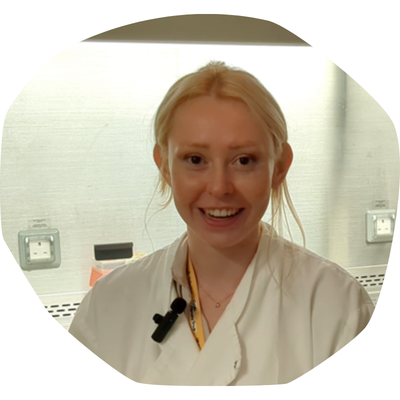
As part of the SRC programme, Issie Rose studied the delivery of the gene editing machinery in her PhD research. “Using these vectors, we are analysing which cell types need to be edited and how many of them, to maximally restore CFTR function to the airway,” she said.
In a programme supported by our VIA scheme and in partnership with the US not for profit organisation Emily’s Entourage, researchers at Irish biotech company OmniSpirant and colleagues at Queen’s University Belfast are taking a different approach to designing delivery vectors. They are “hijacking” an existing mechanism that occurs naturally in our bodies that exists for cells to talk to each other. The messages are carried in ‘extracellular vesicles’ – or EVs – and the researchers are developing ways to use EVs as vectors for genetic therapies.
Supporting clinical trials for everyone
Some people with CF are unable to benefit from CFTR modulator medicines due to the CF variants they carry, poor tolerance to the medicine, or other reasons. Effective treatments are urgently needed for these people.
New types of treatments are starting to be tested in clinical trials for the first time, such as genetic therapies. The practicalities of designing and running these clinical trials can be complex. Our UK CF Clinical Trials Accelerator Platform (CTAP) and UK CF Registry team are working together to make this easier for trial organisers. In turn, this accelerates access to new treatments for everyone, particularly those who are unable to benefit from modulators.
Improving access to clinical trials for people with rare CF variants

For each clinical trial, the organisers (trial sponsors) decide who they want to test the treatment on and how many people they need to include, and identify appropriate centres to run the study. Some trials are only suitable for people with specific CF variants. If the numbers of people with these variants in the UK is small, it is very helpful to know how many people with CF have that particular CF variant and where they receive their care. The UK CF Registry can provide fully anonymised, regional information to help the trial organisers with their planning.
Another planning decision is choosing which centres will run the trial. CF centres may need specialist equipment and dedicated time and expertise from staff to be able to run a particular clinical trial. Our CTAP team can help the trial organisers use the data from the UK CF Registry, together with their knowledge of centre expertise and capabilities, to advise which CTAP centres are able to run a specific trial.
Not all CF centres are able to run clinical trials. Thanks to our regional networks, CF teams are talking to each other and improving how we work together. It means that it’s easier for people to take part in research going on at a CF trial centre within the network.
– Dr Don Urquhart, chair of the Scotland and Northeast Regional CTAP network
Through CTAP’s regional networks, 19 people with CF have been referred to a CTAP centre to take part in a clinical research study in the last year. Take a look at the 2025 CTAP Impact Report for more detail.
The genetics of CF
Around 89% of people with CF in the UK (around 10,000 people) have at least one copy of the F508del CF variant. The number of people with rarer CF variants is much smaller. For example, there are around 400 people in the UK who have one copy of the G542X CF variant, while for other variants there are less than five people in the UK with the same one. Knowing more about people with rarer CF variants can help us plan research into new treatments for them.

Goal: Improving and maintaining lung health
We want to find better ways to diagnose and treat lung infections, tackle antimicrobial resistance, and stop CF disrupting lives.
 People with CF are at a high risk of developing lung infections, because of the thick sticky mucus in their lungs. CF lung infections can cause breathlessness and difficulty breathing. They can cause major disruptions to day-to-day life and may lead to permanent lung damage. We are actively supporting many areas of research to improve lung health in people with CF.
Trust-funded studies have led to new knowledge about how CF infections are passed on and have accelerated the testing of new anti-infective medicines. We’ve also worked with partners to make it easier to access samples to conduct research.
New knowledge to prevent the spread of lung infections
The UK CF Innovation Hub on lung health at the University of Cambridge was established in 2018 under the leadership of Professor Andres Floto. Cystic Fibrosis Trust committed to raising up to £5 million for the Innovation Hub through the incredible generosity of our supporters. Our investment was match-funded by the University of Cambridge. It has led to the publication of 19 world-class scientific reports to date, including publications in the prestigious journals Nature and Science. The Innovation Hub has also supported and developed the careers of 24 early career researchers.
Computer scientist Dr Aaron Weimann became a postdoctoral fellow at the University of Cambridge at the beginning of the Innovation Hub programme. Together with a team of collaborators, his research improved scientists’ understanding of the spread of Pseudomonas aeruginosa infections. Their results were published in the prestigious journal Science.
“Our findings reveal fundamental differences in bacteria infecting people with CF and those without CF, offering real-world implications for infection control of vulnerable patient groups,” commented Dr Weimann.

We are delighted with the success of the Innovation Hub. World-class advances in our knowledge of CF lung infections have been made. It has attracted new expertise into CF research and supported the next generation of CF researchers.
– Dr Lucy Allen, Director of Research and Healthcare Data at the Trust

Introducing the CF Lung Health Network
The success of the UK CF Innovation Hub at the University of Cambridge played a huge part in inspiring the creation of the £15 million Translational Innovation Hub Network for CF Lung Health and Infection (CF Lung Health Network for short), funded in partnership with the not-for-profit medical research organisation LifeArc.
The CF Lung Health Network will fast-track new research and treatments to improve lung health and quality of life for people with CF. The network is made up of four Innovation Hubs, led by researchers at the Universities of Cambridge, Liverpool, Manchester, and Imperial College London, as well as partners across the UK and internationally.

CF affects everything about my life, every single day. I have to adjust my life around my symptoms, in everything from work to friendships. The dream, for me, is to have less of a treatment burden and more time feeling like a valuable member of society. These new Hubs give me hope because improving research into the cause of exacerbations and the development of potential new treatments for infections takes away a lot of my fears around what my health is going to look like in the future.
– Sarah, who is living with CF
Setting up a pathway for testing new antibiotics for CF
Before a potential new medicine is tested in clinical research studies in people, lots of in-depth laboratory tests are needed to check that the medicine is as safe as possible and that it will work as expected. This is known as pre-clinical research. If the results of the pre-clinical testing are positive, the medicine will then be progressed into clinical development.
When a new medicine is given approval by the regulators for people to use it, the regulators use information from both the clinical trials and the pre-clinical tests to make their decision.
For many new medicines, the necessary tests for the pre-clinical stage of development required by the regulatory authorities have already been defined. However, standardised methods for the testing of new antibiotic medicines to treat CF lung infections have not yet been defined and agreed with the regulators. This is a significant hurdle for researchers when it comes to developing new antibiotics in a timely and cost-effective way.
The aim of our PIPE-CF Strategic Research Centre, co-funded by the Trust and CF Foundation, was to accelerate pre-clinical research by creating a pipeline for CF anti-infective medicine testing. One area they investigated was standardising artificial sputum.
Mimicking the sputum in CF lungs
To develop a medicine to treat bacteria growing in sputum in the lungs of someone with CF, scientists need to recreate this sputum in the lab to grow bacteria for pre-clinical testing. There is no standard recipe for making artificial sputum for cystic fibrosis, so researchers from different universities and industry have a range of different ‘recipes’.
It is important to compare how bugs grow in different artificial sputum and how this compares to the ‘real’ thing!

As part of her PIPE-CF SRC-funded PhD studies, Hollie tested different lab-made artificial sputum to find out how the bugs grow, the effects of antibiotics, and even the effects of inhaled mucoactive CF medicines. Sharing her results reduces the time other researchers in universities and biopharmaceutical companies will have to spend in the future, making it quicker to test new antibiotics.
Improving access to samples
To speed up the development of new treatments, we’ve created a virtual biobank of samples from people with CF with our partners in the CF AMR Syndicate.
New anti-infective medicines need to be tested on samples of bugs from people with CF, to ensure that they will work outside of the lab. For scientists, particularly those working in biotech or pharmaceutical companies, getting access to these samples can hold up their research.
The CF AMR Syndicate is an initiative that brings together leading experts in CF and antimicrobial resistance from industry, academia, and the clinic, with people with CF. The aim is to accelerate the translation of CF antimicrobials and diagnostics to the clinic and bring new and effective treatment options to people with CF more quickly. The Syndicate is jointly managed by the Trust, Medicines Discovery Catapult, and LifeArc.
To help researchers access the samples they need to test their medicines, the CF AMR Syndicate created a virtual biobank of samples of bugs, known as the UK CF Infection Biorepository.
The biorepository brings together a group of university, hospital, and public health laboratories from across the UK to form a network, which provides a range of samples and data needed by researchers seeking to develop new medicines and tests for CF lung infections.
Through the biorepository, researchers can also access expert scientific advice on how to run their studies and, in some cases, this has led to collaborations that will drive the research further.
“As a parent of a child with CF, it was wonderful to experience this team’s joint goal of sharing samples with CF researchers. It gave me hope that eventually something positive can come from a tough day in hospital, and that the samples we share are in good hands,” said Gillian, who is a CF community representative of the UK CF Infection Biorepository.
The Syndicate has also created a “pick and mix” panel of some of the most common CF infection-causing bugs for researchers just starting out, which is kept at the UK Health Security Agency for easy access, as well as a strain guidance document7 that provides helpful guidance on bug strains to choose for robust testing.
Getting the best use out of the samples
Funding from the Trust’s Venture and Innovation Award scheme has allowed the centres to find out more about the strains of bugs in their collection for example learning more about the genetics of the bugs. They have also been able to carry on adding new samples and sample types (such as blood, urine, and breath) from people with CF into their store of samples. The new samples will be very valuable in the future, as the infections people with CF grow are likely to change over time. This is especially true of CF infections in people with CF on CFTR modulator medicines.

Goal: Treating all of the symptoms of CF
CF can cause lots of different symptoms. We're funding research into treating them more effectively.
CF affects different parts of the body, and while some of these effects are already known about, we are starting to find out more about others as people with CF live longer. We aim to improve understanding of these symptoms and make progress in treating them effectively.
Guts-y research!
People with CF experience a range of symptoms beyond the lungs, such as GI symptoms which include small and large intestinal blockages (DIOS and constipation), bloating, nausea, and diarrhoea. These symptoms can prevent people with CF getting the calories they need, be extremely painful and embarrassing, and disrupt day-to-day life.

Relief from these symptoms has been identified as a top CF research priority for the CF community.
“I think the hardest part about explaining DIOS is simply bringing up tummy issues. It carries a bit of stigma and embarrassment. I wish there was more room to talk about it. We all poop, at the end of the day! Raising awareness might bring more funding to research that may lead to developments in DIOS care and treatments."
– Margot, who lives with CF
Read more about Margot’s experience of living with GI symptoms of CF
Current treatments for gut symptoms are often ineffective because doctors do not fully understand why symptoms occur. As part of our GRAMPUS-CF Strategic Research Centre, early career researcher Dr Ryan Marsh is interested in microbiota (the bacteria in our intestines). What they do, how they interact, and their impact on their environment is known as the ‘microbiome’.
“We know that compared to healthy volunteers from the wider public, people with CF have alterations to their gut bacteria. For example, people with CF might have different levels of certain bacteria (microbiota) that function differently in the gut and their wider microbiome is also different. Understanding these changes might lead to new, personalised treatments for gut symptoms. We may also be able to change the gut microbiome in people with CF to improve their quality of life,” explained Dr Marsh.
Read more about Ryan’s research
Focusing on CF diabetes
Nearly 3 in 10 (27.8%) people with CF over the age of 10 years old are receiving treatment for CF diabetes. It is a difficult illness to manage alongside other CF symptoms. Having CF diabetes increases the burden of treatment and there is a risk of serious long-term complications, including impacts on eyesight and kidney function. The underlying cause of CF diabetes is unknown. We want to prevent CF diabetes and improve how it is treated and managed, as we know this is a priority for people living with CF.
We are funding research to understand more about the cause of CF diabetes. This knowledge could be used in the future to prevent it from developing and improve treatments. At the same time, members of the CF community in our Involvement Group and our CTAP programme are supporting a clinical trial testing a new way to improve how CF diabetes is managed and reducing its impact on day-to-day life.
Adding to what we know about the causes of CF diabetes
Led by Professor James Shaw at the University of Newcastle, researchers in our Strategic Research Centre (SRC) focused on improving our understanding of CF diabetes studied what happens to the cells within the pancreas, and how to track these changes in people with CF over time. The pancreas produces enzymes to digest food and regulates the sugar levels in the body. The areas of the pancreas where sugar levels are regulated are called the Islets of Langerhans or ‘islets’ for short.
“What really excited us was how healthy the islet cells look in the pancreas of people with CF diabetes. The islets are there, but they’re not making insulin. We think this is because of all of the damage and destruction that’s going on around them. We wanted to understand whether would mean they can start making insulin again,” explained Professor Shaw.
The SRC has uncovered important new knowledge about CF diabetes. For example, researchers found that chemicals called microRNAs in the blood of people with CF could be used as biomarkers for CF diabetes, complementing other tests to diagnose and manage it.
We know that ways to prevent CF diabetes is a top research priority for the CF community. However, in order to prevent it, we need to know what causes it in the first place. We’re delighted with the progress that Trust-funded researchers across Europe have made towards this goal.
– Dr Paula Sommer, Head of Research Awards and Partnerships at the Trust
Clinical trial to test a new way of managing CF diabetes
Through our Involvement Group, we enabled the CF community to shape the design of a study investigating a new way to manage CF diabetes.
Through her CL4P-CF research study, Cambridge-based researcher Dr Charlotte Boughton wants to find out if new ‘closed loop’ technology, used in the management of other forms of diabetes, can be used to improve the lives of people with CF diabetes. The research is funded through a grant from NIHR, has been adopted by our CTAP network, and is currently recruiting people with CF diabetes to take part around the UK.
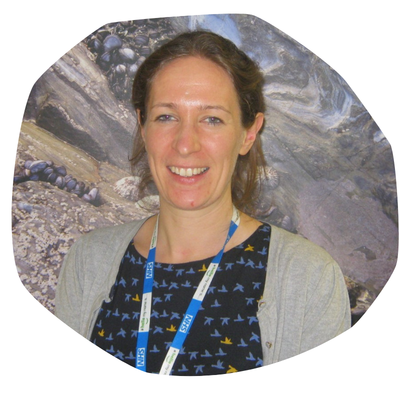
“Coming from a non-CF background, I had heard that “people with CF don’t want pumps”. But I heard different views from people living with CF and their loved ones who took part in a focus group run by the Trust,” she said. “After I explained how the closed loop system works, they thought that people living with CF might find them really helpful in managing their diabetes – in fact, several participants in the focus group were interested in taking part in the study!
“They also told me that better control of their diabetes was the most important aspect of the study for people with CF, rather than monitoring lung function, which is what I had assumed.”
An important part of the CL4P-CF study will be conducting in-depth interviews about the experiences of using the closed loop system for people with CF and their families. The clinical measurements along with survey results will provide evidence on whether this technology will be helpful for people with CF diabetes in the future. If the study is successful, the results will be an important part of the approval process for using closed loop systems on the NHS.

The CF diabetes “rollercoaster”
“I got diagnosed with CF diabetes when I was 11 years old. I’d describe it as like constantly being on a rollercoaster. It’s juggling what I eat with how much insulin I’m giving myself – sometimes it feels like half mental maths and half guesswork!
“Sometimes the rollercoaster is going up and you end up going really high and that makes you feel ill. Sometimes the rollercoaster goes really low and that makes you feel ill. And then sometimes you’re straight in the middle, which is great, but that doesn’t happen all the time.
“The difficulty with CF diabetes is the unpredictability of it. I could eat the exact same thing one day and have an amount of insulin, and I’d be fine. And then I can eat the exact same thing another day and have the same amount of insulin and be off, because sometimes our bodies do release insulin and sometimes they don’t.”

Goal: Enabling people with CF to live longer, healthier lives
We know that in general people with CF in the UK are living longer, due to overall improvements in CF care and access to CFTR modulator medicines. But what will living longer for people with CF look like?
Building new networks of expertise
We need the knowledge of a wide range of experts to help us understand the implications of the changing nature of CF, and to develop ways to use this information to improve the lives of people with CF. To help bring these people together, we held a growing older with CF workshop in December 2023.
Over 50 people, including researchers, healthcare professionals, other research funding bodies, and people from the CF community attended the day. A summary of the topics discussed on the day was published in a report and written up as a publication.
The aim of the workshop and the report was to generate new networks with ideas and opportunities for research proposals to address these priorities.
Following the workshop, we highlighted our interest in funding research in this area in our annual research funding call. As a result, we funded a Development Award to explore whether people with CF are at greater risk of developing heart disease.
Understanding who is at risk of developing cardiovascular disease (CVD)
There are a number of tests used to understand whether someone is at a high risk of developing CVD. However, because of the way CF affects the body, researchers don’t know if these tests are the best way of measuring risk in people with CF. This needs to be worked out, and new ways to measure risk of CVD in people with CF may be needed.
In his Development Award, early career researcher Dr Freddy Frost at University of Liverpool is exploring how to assess cardiovascular health in people with CF and using health registries to understand data on CVD risk in people with CF.
Read more about Dr Frost's Development Award ITCH-CF
Growing older with CF is amazing but now I’m in the unknown. Your mindset changes from being told you’re not going to live to a certain age, outgrowing that, going further and knowing you can probably go further still. When I notice something it’s hard to know is that normal for someone who’s getting older or for someone with CF? Or is it a combination of both?
– Tonia, who lives with CF
Understanding more about risks of bowel cancer in people with CF
Several studies have highlighted that people with CF are at greater risk of developing bowel cancer and also developing it at a younger age than people in the general population. The CF community are starting to be aware of these risks too. “Are people with CF at higher risk of certain cancers and what is the best way to detect and manage cancers in people with CF?” as well as “How do we manage an ageing population with CF?” were included as top research priorities for the CF community in a CF research priority refresh in 2022.
Our SRC programme on understanding and preventing bowel cancer in cystic fibrosis, led by Professor Stephen Renshaw at the University of Sheffield, aimed to investigate the biochemical triggers that may contribute to why people with CF have a higher risk of bowel cancer. We now have better methods to study bowel cancer in people with CF. Future research could led to ways to screen for and prevent this cancer.
This SRC was funded from a specific funding call following a research workshop organised by Cystic Fibrosis Trust. The aim of the workshop was to identify the most important unanswered questions about bowel cancer in CF, and how a research programme might address them.
Attracting the brightest and best researchers to CF
As well as building important new knowledge about the possible causes of bowel cancer in CF, like all of the Trust’s SRCs, this programme was an important way of training early career researchers and attracting new expertise into CF research.
An “exciting and cool” model to understand the guts
PhD student Ellie was awarded first prize for her poster presentation at our UK CF Conference in 2023. Here, she tells us about some of the techniques she’s developing.
“I’m using a very exciting and cool model called human gut ‘organoids’ to study the activities of the CF protein (CFTR). Organoids are 3D clusters of cells grown from patient biopsies. You can see fully grown organoids by eye; the largest is about the size of the tip of a pencil.
“What is most interesting is that the organoids grown from different parts of the intestine look and behave differently. Organoids from different people are different from each other too. In the lab, I compare CF organoids with non-CF organoids by imaging them and measuring gene and protein levels. This will give us a more detailed understanding of the activity of CFTR in the gut. In turn, we can use this information to test drugs and explore how to reduce the risk of developing cancer.”
Read more about a typical day in the lab for Ellie

“A visiting scientist in my lab sparked my interest in CF research”
Professor Stephen Renshaw is a respiratory physician who has been interested in inflammation in the lungs for the last 20 years.
“When researcher Dr Audrey Bernut came to work in my lab, she brought with her an interest in CF. The aim of Dr Bernut’s studies was to understand the role of inflammation triggered by faults in the CF protein, separately to inflammation that might be triggered in the lungs by tissue damage or ongoing lung infections. Her work sparked my interest in CF and the development of the SRC programme,” Prof Renshaw explained.
I am in my mid 50s with CF with a double transplant. There’s very little precedent in what happens to older people with CF – we’re treading an unbeaten path. How does care look for older people with CF in terms of the ageing process and conditions that come to us all, for example, osteoporosis, arthritis, and the menopause in women? The ageing population of people with CF is only going to grow, particularly with modulator therapies and the other things that have come along since.
– Luke, who has CF
How we fund research
Learn more about how we invest in research
About our Strategic Research Centres and Development Awards
Since 2013, we have funded 28 Strategic Research Centres (SRCs). These grants provide an opportunity for groups of interdisciplinary experts to come together to work on projects that are important to people with CF. Recipients have been able to leverage further funding and develop new partnerships as a result of these awards.
A key aspect of the SRCs has been to attract the brightest and best early career researchers to become the next generation of CF scientists. Since 2023, we have introduced a new Development Award, to support early career researchers to take their first steps towards becoming independent researchers. This scheme also supports established researchers to develop knowledge and expertise in new areas of CF research, perhaps moving into CF research for the first time.

Development Award funding for my ADVANCE-CFTR project has provided an incredible opportunity to bring state-of-the art diagnostic capabilities to the UK. It will be used to develop novel techniques using organoids (or ‘mini-guts’) to give more certainty in diagnosing people with rarer CF variants. We will then use this technique to see if these CF variants could respond to CFTR modulators. I am very grateful to Cystic Fibrosis Trust for this opportunity.
– Professor Nicholas Simmonds, Adult CF Centre, Royal Brompton Hospital and National Heart and Lung Institute, Imperial College London
About our Venture and Innovation Awards (VIAs)
Partnership and leverage is a key aspect of our successful Venture and Innovation Award funding scheme. We’re proud to have awarded over 100 VIAs to support academic and industry-led research programmes, giving us the ability to extend the breadth of cystic fibrosis research to advance knowledge about the condition, and ask and answer new research questions.
Through our Venture and Innovations Awards, for every £1 the Trust invests in research, we’ve leveraged an additional £5 from external sources.

The Trust’s Venture and Innovation Award scheme is an important opportunity to attract a broader range of scientists into CF research, providing a flexible way for them to add a CF focus, and create bigger programmes of work in academic, clinical, and industry settings. Successful projects funded through this scheme have significantly increased our knowledge of CF, advanced new diagnostics, and are bringing innovative therapies closer to everyone with CF.
– Professor Patrick Harrison, Chair of Cystic Fibrosis Trust’s Research Grants Review Committee
Thank you
We would like to thank all of the trusts and organisations that support our ground-breaking research, some of whom are mentioned on this page. Collaborating globally is vital to ensure we are providing the best possible support to the CF community.
We engage internationally in a number of ways and would also particularly like to acknowledge partnerships and funding from the Cystic Fibrosis Foundation (CFF), CF Canada, CF Europe, European CF Society (ECFS), Emily’s Entourage, University of Cambridge, LifeArc, Medicines Discovery Catapult, RNID, and Action Medical Research.
Data for this report were taken from grantee progress reports submitted to the Trust and from data submitted via the research impact database Researchfish. Many thanks to our grantees for their cooperation in sharing these data with us.
Support our research
Incredible progress has been made, but there is still a long way to go until everyone with CF can truly live a life unlimited. We won’t stop until cystic fibrosis stops damaging and shortening lives.
Please consider making a donation today. With your support, we can continue our work funding groundbreaking research, providing world-class information, campaigning for change, and supporting our community every step of the way.
Special thanks
An extra special thank you to our incredible fundraisers, challenge and event participants, and volunteers and donors, including our branches and fundraising committees, who are so very generous with their time and support.
It is thanks to our incredible supporters that we can continue to be at the cutting edge of CF research. Making breakthroughs and discoveries that change lives for the better. Now and in the future.
-
Charitable trusts and foundations
- Robert Luff Foundation
- Garfield Weston Foundation
- Rosetrees
- Stoneygate Trust
-
Families
- Family Castella
- AJN Steelstock
- The Gay and Keith Talbot Trust
-
Gifts in Wills
- Karen Menzies for the Karen Menzies PTSuppress SRC
- John Harrop
- Doreen Westlake
- James McKinley
- Dr Mary Goodchild for the Goodchild SRC on CFTR protein folding
- James Balmer