This article is more than 3 years old
Being part of the change: what it feels like to be part of CF research
 My childhood and CF journey
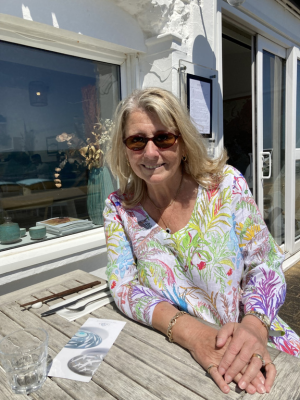
I was diagnosed with cystic fibrosis when I was three weeks old. My sister was born ten years prior and had CF, but unfortunately, she died at 16 months old. Because of this, the doctors were on the lookout for me to have CF, which is how I got diagnosed so early.
When I was a baby, the doctors told my family I wouldn't survive long enough to go to school, but here I am, almost 60 years old.
Growing up, I never had hospital admissions and didn't need any intravenous antibiotics until I was 15. and even then, I would only have them once or twice a year. I was put on a low-fat, high-protein diet, so for breakfast, I would have shredded wheat and then steak and potatoes.
While I was very lucky that my parents were absolutely, utterly and totally devoted to me and keeping me as healthy as possible, I hated the fact that I was different. I used to experience a lot of bullying because my teeth were black due to the antibiotic tetracycline.
The doctors told me that when my adult teeth came through, they would be white, so anytime my baby teeth became slightly loose, I would pull them until they came out. It was hard because it was a really obvious side effect, and I couldn't hide it.
I also found school really challenging because the teachers at the time would treat anybody with health problems appallingly. They would never get away with it today. So, after some bad experiences, I decided to leave school at 16 and start working. It was the best thing that ever happened to me.
Starting Kalydeco
I started Kalydeco in 2015 after experiencing a decline in my health. This was an awful year for me. I had to give up my job because I had a neurological cervical spine problem which was terrifying and I needed major surgery. My mobility was also very poor, and I had IVs every 8 to 12 weeks as I frequently got lung infections.
I was so lucky to get Kalydeco at the end of that year, and I am absolutely confident that I wouldn't be here today without it - it was truly such a wondrous gift. And for once, having a rare CF gene paid off.
Now I am on Kaftrio, and despite some challenging side effects, it's been fantastic, and I am very grateful for it. I used to be such a wheezy CF person, but since taking it, I no longer gasp for air or cough as much; it's been life-enhancing.
 Taking part in clinical trials
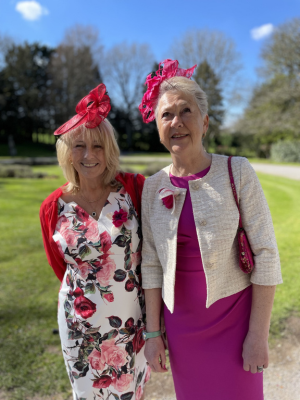
I have taken part in over 20 trials throughout my life. Put it this way, if there is a trial, I'm going to agree to be part of it because it's my way of giving back and returning some of the help and support I've had over the years with my CF. I feel I have a responsibility to help the community as they have helped me.
The first trial I remember being part of was in the 80s for the antibiotic tablet ciprofloxacin. It was revolutionary to have a tablet (rather than IVs) to treat Pseudomonas at the time. And back then, IVs couldn't be done at home.
I knew I couldn't be off work and in hospital every time I had an infection, so I was very keen to try ciprofloxacin. But I found the trial process difficult to get to grips with. I had so many questions for the doctors, but they just thought I was being fussy, wanting to know every detail of the trial before I signed up to do it.
Luckily, nowadays, it's very different, and patients are very much involved and given as much information as they want. We are even given contacts we can talk to at any time if we have concerns.
Another fantastic thing in CF research now is that trials also consider the burden of treatment on patients.
Back in the 90s, I was part of a trial for a nebulised medication which took half an hour to take, and I had to do it twice a day on top of the other three hours of medication I needed to do. It was awful.
The potential barriers
I was part of another trial recently to see if there were better drugs out there that enhance Kalydeco. This trial involved a lot of clinical visits for them to obtain all the data they needed, but it wasn't a problem for me because they paid all my expenses.
I think money should always be upfront to remove barriers for people with financial problems. CF is such an expensive illness, so if those barriers are taken away, more people will say yes to participating in trials.
Since COVID, they no longer arrange trial visits unnecessarily, and a lot of it can even be done online, so it's less time-consuming than it used to be.
The team will often be very flexible and change times to suit you. They want to work with you and make sure you can fit it into your life, and before you even agree to take part, they will tell you about the process, what's expected of you and what the time commitments will be.
Finding trials
I used to hear about the trials from my CF team in hospital as they are very proactive, but nowadays, I look on the Trust's website as the Trials Tracker has everything laid out so clearly. You can see what trials are ongoing and whether you could be eligible to take part.
For example, most recently, I signed up to do the CF Tummy Tracker trial because I've been having difficulties with my stomach. It's so easy to do as well. I just had to download an app and answer a couple of questions each day. It only takes a few minutes. And then, there were three questionnaires over the 14-day period, which took about ten minutes.
So if you have a particular problem, you can see if they have any trials relating, and you can sign up. Not only will it benefit the community, but it could also help your own care.
The importance of being part of research that will benefit people with CF
I think sometimes people worry that if the trial doesn't work well for them, they are letting people down, and they feel as though they have failed because the hospital wants to see success. But that's not true.
No one will think badly of you if you have a bad reaction or no reaction. It's still important data for researchers to collect. It enables them to change whatever may have caused the problem so other people won't face the same issues.
Everyone with CF experiences the condition so differently, so obviously, when it comes to medication, everyone will respond differently or feel better on certain things.
Just don't be afraid to get involved with trials, it's so empowering to know that you are making a difference in CF research. And remember, if people didn't take part in trials, we wouldn't have Kaftrio.
I'm also part of the involvement group here at Cystic Fibrosis Trust, and being able to input on specific trials and how things are done is invaluable to the community. It's so essential that CF patients are involved and have a voice.
The future of CF research
We still need more research. We need new antibiotics, particularly ones that can fight longer-lasting infections, such as mycobacterium abscessus, and we also need the equivalent of Kaftrio for other genetic types that are unable to take it.
If you want to take part in a clinical trial take a look at our Trials Tracker which brings together all CF trials currently recruiting in the UK. You can find trials you can take part in both in your region and further afield. If you have any questions about taking part in clinical trials, please speak to our CF team or contact the Trust’s clinical trial team.
Cystic fibrosis (CF) is a genetic condition which causes sticky mucus to build up in the lungs and digestive system. It affects more than 10,900 people in the UK. One in 25 of us carries the faulty gene that causes it, usually without knowing.
Since 1964, we've supported people with cystic fibrosis to live longer, healthier lives -and we won’t stop until everyone can live without limits imposed by CF.

Wear Yellow Day 2023
Unite with us on Friday 16 June, Wear Yellow and raise money to help create a brighter future for people living with cystic fibrosis. Dress up, bake or take on a physical challenge, but whatever you do… do it in yellow!